The 7-30 Waters has never suffered from a shortage of repeated claims. What it has lacked is a maintained place where a reader can see which claims are documented, which observations are limited to a particular rifle or session, which questions remain open and where to go next.
Gold Country Ammo has now released that place.
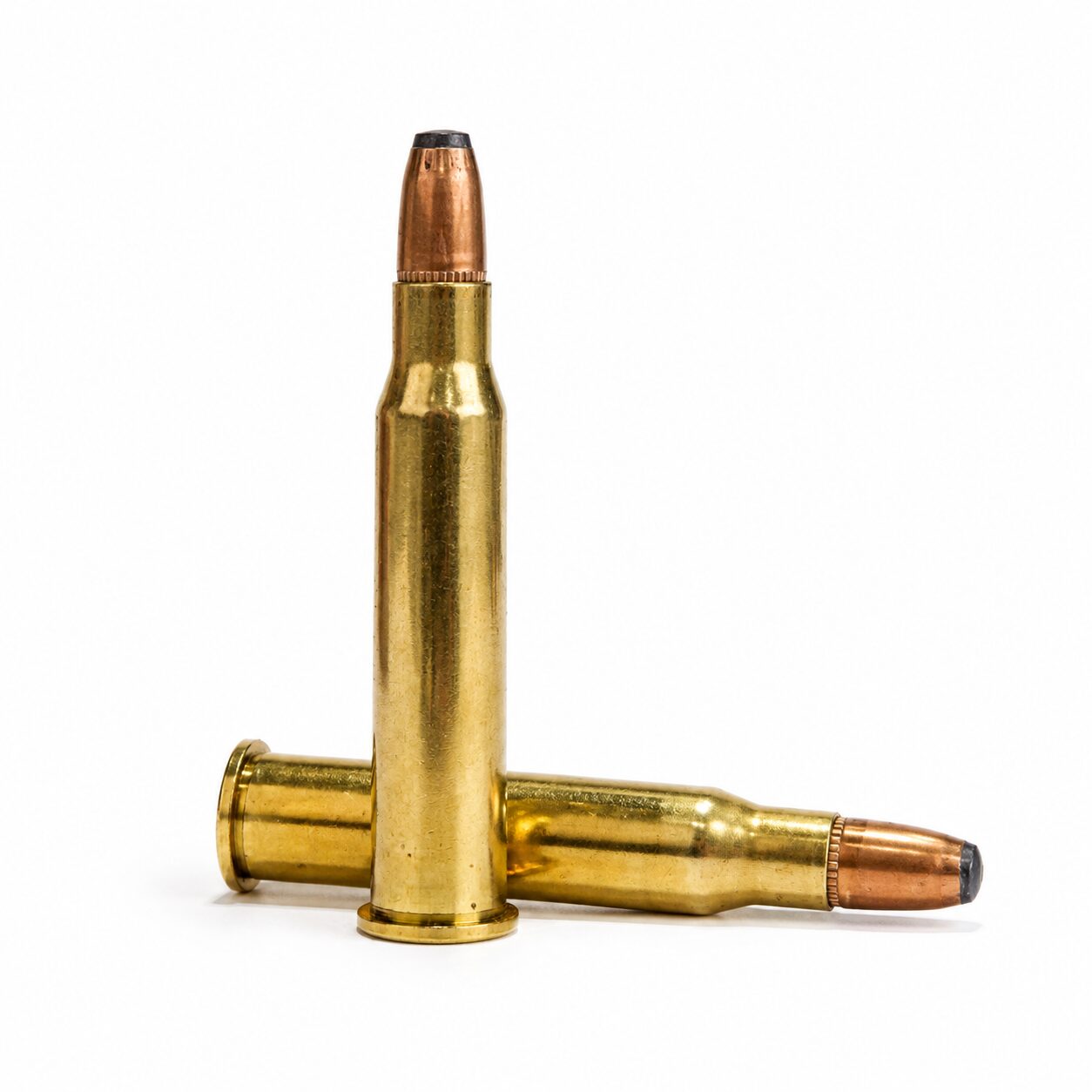
The new 7-30 Waters reference is a connected set of six works. It begins with the 7-30 Waters Cartridge Guide, which serves as the maintained starting point. From there, a reader can follow the question instead of reading the same general summary six times.
The ammunition buyer’s guide separates loaded ammunition from component bullets and current availability from historical listings. The lever-action bullet guide organizes bullet selection around firearm fit, intended use and the evidence a buyer should verify. The 120-versus-139-grain comparison shows why different kinds of evidence must not be blended into a conclusion they cannot support.
The cartridge story develops the history and the reasons the cartridge continues to matter. The 7-30 Waters Field Journal, Issue No. 1 brings the record together while keeping sourced history, field observation, reader reports and untested questions visibly distinct.
Built to be maintained
The reference is open in a specific sense: it is intended to improve when better evidence arrives.
That does not mean every recollection becomes a fact or every load report becomes advice. A chronograph can record velocity; it does not measure chamber pressure. A target can preserve impacts from a stated session; it does not establish universal accuracy. A product page can document what is offered now; it does not prove continuous historical availability.
Useful contributions preserve the conditions around the observation. Rifle and barrel details, exact component identity, chronograph records, target images, recovered bullets, original packaging, catalog material and dated first-person records can all help when their source and limits remain attached.
Submissions are reviewed before they enter the maintained record. A correction may change a sentence, add a source, narrow a claim or leave an unresolved question visible. That is not a weakness in the work. It is how the work earns the right to be used again.
Start with the question
Readers looking for an overview should begin with the Cartridge Guide. Readers trying to locate ammunition should use the buyer’s guide. Readers choosing a lever-action bullet should go directly to that decision guide. Readers with field records or historical material should begin with the Field Journal’s evidence method and tell us what they can substantiate.
The goal is not to have the last word on the 7-30 Waters. It is to build the most useful record we can, show the limits of that record plainly and keep a clear path open for the next piece of evidence.