Gold Country Field Journal
Why the 7-30 Waters Hasn’t Disappeared: History, Availability and Specialist Support
The 7-30 Waters persists because rifles, owners, technical records, component paths and specialist suppliers still connect. This sourced history separates past factory production, current listings, real availability and technical support, then gives readers a reusable test for evaluating any niche cartridge.
The 7-30 Waters survives as a useful specialist cartridge because rifles, owners, technical records, component paths and small-batch suppliers still connect. Its persistence does not prove superiority—and an old catalog listing does not prove that ammunition is available today.
This is the practical history of that support system: what is documented, what can be bought or referenced now, and how to judge whether any niche cartridge is genuinely supported rather than merely remembered.
The short answer: why it has not disappeared
A cartridge does not cease to exist when a major manufacturer stops giving it regular catalog space. Firearms already in private hands can remain serviceable for decades. Manuals, pressure-tested data, cases, suitable bullets, loading tools, repair knowledge and specialist ammunition can continue to support them.
That is the 7-30 Waters story. It moved from a documented wildcat project to commercial production, then into a specialist market in which current support must be verified one source at a time. No reliable public count of rifles still in use was found for this review, so this page does not turn the existence of surviving rifles into an invented installed-base number.
A documented timeline
| Date | Documented development | What it establishes |
|---|---|---|
| 1976 | Ken Waters began planning a .284-inch cartridge based on the .30-30 Winchester case. | The concept began as a deliberate cartridge-development project, not as a recent revival. |
| 1977 | The first project rifle was built on a Marlin 336-A. | The design was developed around a practical lever-rifle platform. |
| 1984 | U.S. Repeating Arms Company/Winchester and Federal Cartridge commercialized the design. | The cartridge advanced beyond a private wildcat into factory rifles and ammunition. |
| October 2, 2026 review | Current Federal/Speer reloading data still includes the cartridge, Winchester maintains Model 94 manual resources, and specialist 7-30 Waters product records remain live. | Parts of the support system remain current even though this review found no current official Winchester 7-30 Waters rifle page or Federal loaded-ammunition product page. |
The historical dates and design objectives above come from Wolfe Publishing’s Handloader retrospective. Waters sought higher velocity, a flatter trajectory and less recoil than the standard .30-30 while retaining useful deer-rifle performance. This page does not assign an exact factory-discontinuation year: accessible sources conflict, and absence from a current catalog is not evidence of the exact date a product ended.
Five market states that should never be confused
| Status | What it means | What to verify |
|---|---|---|
| Historically produced | A maker offered the rifle, ammunition or component in the past. | A dated maker catalog, manual or reliable historical source. |
| Discontinued by a named maker | That specific maker ended a specific offering. | A maker notice, dated catalog record or attributable statement—not marketplace rumor. |
| Currently listed | A live page or data record exists. | Whether the page is current, orderable and attached to the exact item sought. |
| Currently available | The item can be ordered under stated stock or lead-time terms. | The seller’s live price, stock, fulfillment terms and shipping restrictions. |
| Technically supported | Current manuals, pressure-tested data, suitable components or qualified service remain available. | Exact firearm generation, component combination and source date. |
A search result, archived retail page or old box photograph can establish identity or history. It cannot establish today’s inventory. Conversely, a current specialist product does not prove uninterrupted mass-market production.
The specialist-support system
A niche cartridge remains usable only when enough links in its support chain still work:
- Firearms and owner knowledge: correctly identified rifles, matching manuals and competent inspection or repair.
- Technical record: traceable cartridge history, dimensions and current pressure-tested data.
- Components: compatible cases, primers, propellants and bullets for the specific firearm and magazine system.
- Production: a manufacturer or handloader operating within supported data and appropriate quality controls.
- Distribution: an orderable product record with honest stock or lead-time information.
- Publication: durable guidance that helps a reader distinguish identity, suitability, evidence and availability.
The chain can be narrow and still be real. Scarcity, however, is not evidence of quality. A specialist product earns trust through correct identity, disclosed limitations, reproducible evidence and dependable fulfillment—not merely because few alternatives exist.
Why bullet geometry matters in lever rifles
The 7-30 Waters uses a .284-inch bullet, but diameter alone does not make every 7mm bullet appropriate. In a tubular-magazine lever rifle, nose form, cartridge length, magazine use and reliable cycling all matter. Firearm instructions and current component data control; a general article cannot approve a load or component combination.
The 7-30 Waters lever-action bullet guide explains that selection problem. The separate 120-versus-139 evidence comparison shows what is known, what remains provisional and what a fair matched test still requires.
GCA as a transparent specialist-support case
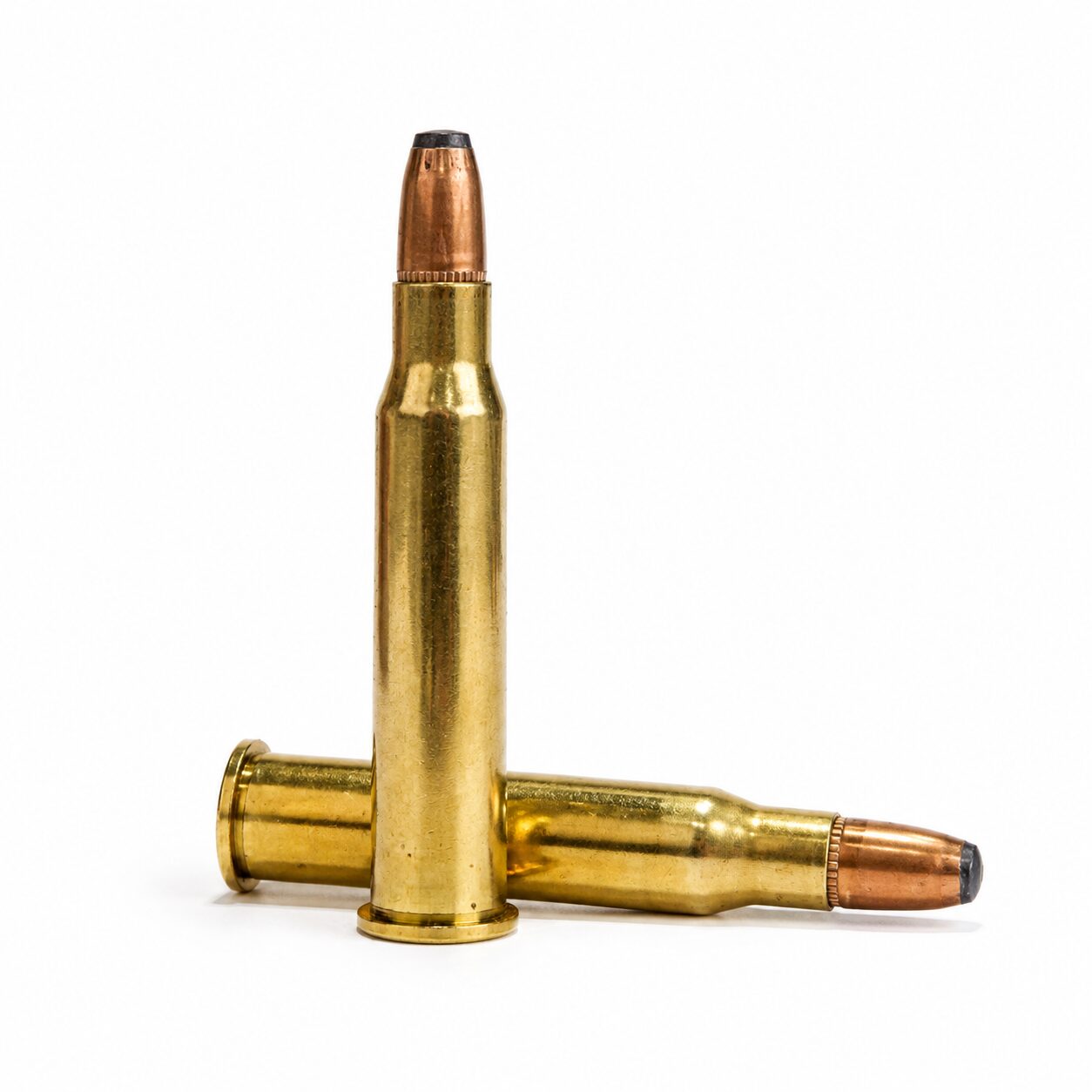
Gold Country Ammunition publishes this page and makes or sells the four products below. They are the initial worked example because GCA can maintain their identities and product records. Their inclusion is disclosed; it does not purchase or establish a favorable performance conclusion.
- 120-grain loaded-ammunition record.
- 139-grain loaded-ammunition record.
- 120-grain component-bullet record.
- 139-grain component-bullet record.
The live product pages are the authority for current specifications, quantity, price, stock and fulfillment. The 7-30 Waters ammunition buyer’s guide explains how to separate a useful listing from an orderable supply path.
A reusable support test for any niche cartridge
- Identify the exact firearm. Record the maker, model, chamber marking, generation, barrel and magazine system.
- Find the controlling instructions. Use the manufacturer’s manual for that firearm, not a generic family description.
- Locate current technical data. Confirm that pressure-tested data covers the cartridge and intended components.
- Verify component suitability. Diameter is only one requirement; construction, profile, length and firearm function also matter.
- Separate listings from availability. Check whether the exact product is orderable and whether lead time is disclosed.
- Inspect the evidence. Ask what was actually measured, in which firearm, under what conditions and with what limitations.
- Check the update date. Market status changes; undated availability language should not be treated as current.
Safety boundary: Use current pressure-tested data applicable to the exact firearm and components. A chronograph reading, primer appearance or case appearance does not establish safe chamber pressure. If the supported data does not cover the intended combination, stop and consult the component manufacturer or a qualified ballistic laboratory.
Why the publication layer matters
Specialist products are hard to discover when their only public context is a product page. A durable guide can preserve the history, define the reader’s decision, disclose the evidence standard and point to maintainable product records. That model is not limited to 7-30 Waters or ammunition.
Future maker or advertiser inclusion should follow the same rule: a product appears where it answers a documented reader need, its relationship is disclosed, and payment never buys the conclusion. Publication authority must be earned through usefulness, sourcing, updates and reader trust.
Sources and continuing paths
- Handloader: “Bullets & Brass — 7-30 Waters”.
- Federal/Speer rifle reloading data.
- Winchester Model 94 owner’s manuals.
- The complete 7-30 Waters Cartridge Guide.
- 7-30 Waters Field Journal, Issue No. 1.
Market-status review: October 2, 2026. Recheck current manufacturer data, manuals and live product records before relying on availability. Preserve material changes in the update log below.
| Date | Update |
|---|---|
| October 2, 2026 | Rebuilt as a sourced cartridge-history and specialist-support case study; separated historical production, current listings, availability and technical support; added the reusable support test and disclosure standard. |
Disclosure: Gold Country Ammunition publishes this guide and makes or sells the GCA products used as its initial specialist-support example. Inclusion does not establish safety, accuracy, terminal performance, availability or superiority.
Continue the path
Go deeper without losing the thread
These reviewed references continue the same question through platform context, technical detail, field evidence and available products.