RELOADER’S DEN · 7-30 WATERS RELOADING
Equipment, components and guidance for reloading 7-30 Waters cartridges
We built this room to answer: What equipment and components do I need to reload 7-30 Waters cartridges, and how do I choose between the 120- and 139-grain bullet paths?
The 7-30 Waters is not served well by a generic shelf of 7mm components. Its lever-rifle setting, limited commercial availability and distinct light- and heavier-bullet paths make the sequence of decisions unusually important.
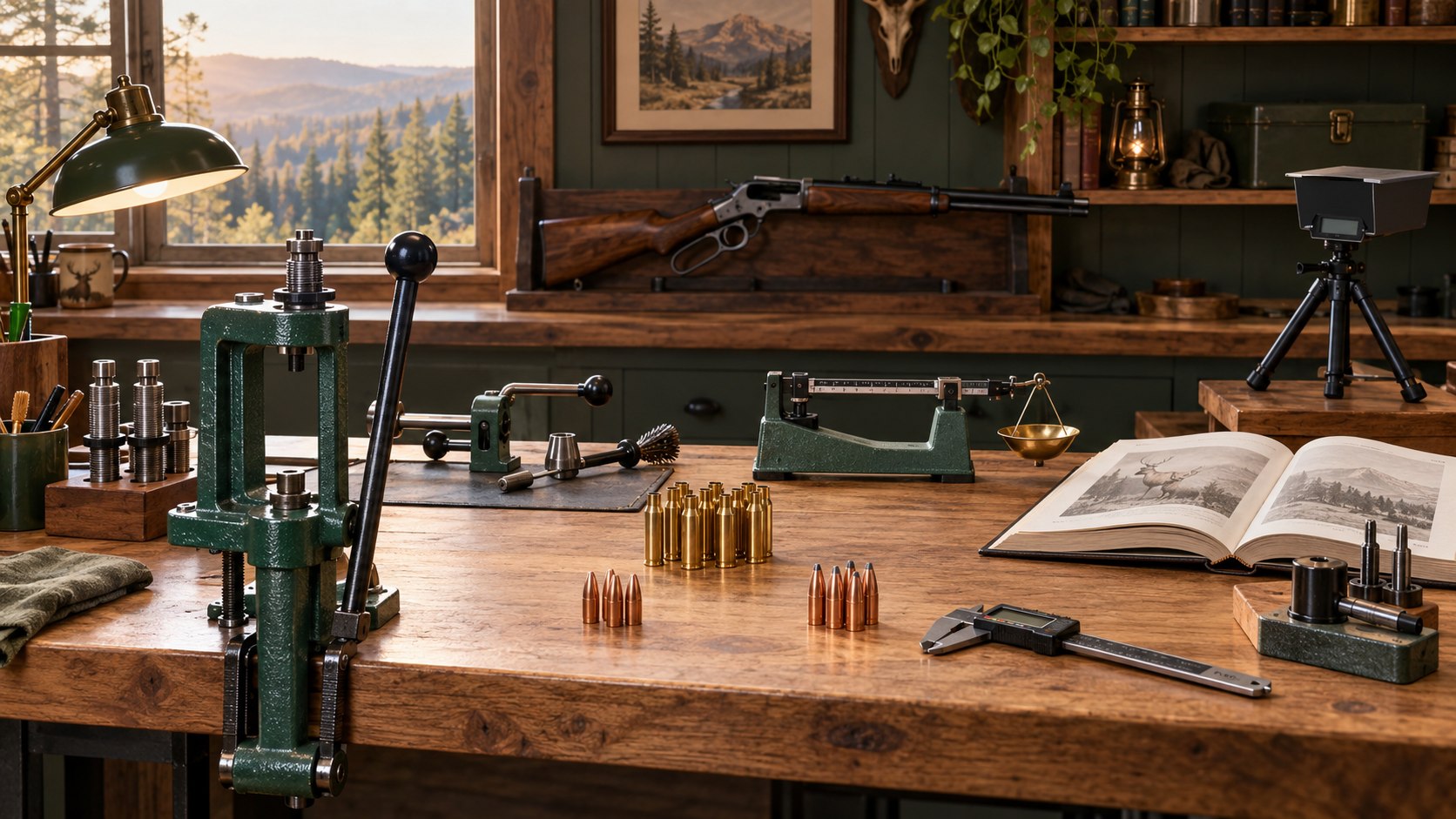
Application visualization: This scene is an artistic visualization created to show how firearms, ammunition, components, tools and references may support a particular shooting or field objective. The exact products offered, their compatibility, availability, specifications and purchasing requirements are controlled by their individual product pages and linked technical references. Select a hotspot to examine the actual item and its applicable requirements.
What do you need to reload 7-30 Waters cartridges?

1. Single-stage reloading press
The Hornady single-stage press supplies controlled mechanical movement for sizing and seating. The cartridge-specific die set and its instructions control the actual 7-30 Waters operations.
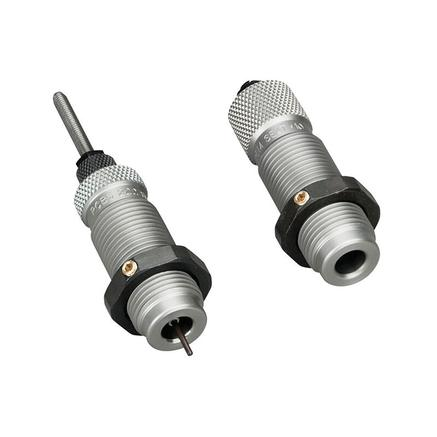
2. 7-30 Waters reloading dies
The RCBS full-length two-die set supplies the cartridge-specific sizing and seating operations. Follow its exact shellholder, adjustment and crimp instructions.

3. 7-30 Waters case preparation
Inspect, clean and measure each case before deciding what preparation is required. Case forming, trimming, chamfering and deburring remain controlled by the actual brass and current specifications.

4. Measuring 7-30 Waters cases and cartridges
The Hornady digital caliper checks the dimensions named by current data, die instructions and the actual rifle. It reports measurements but does not determine compatibility.
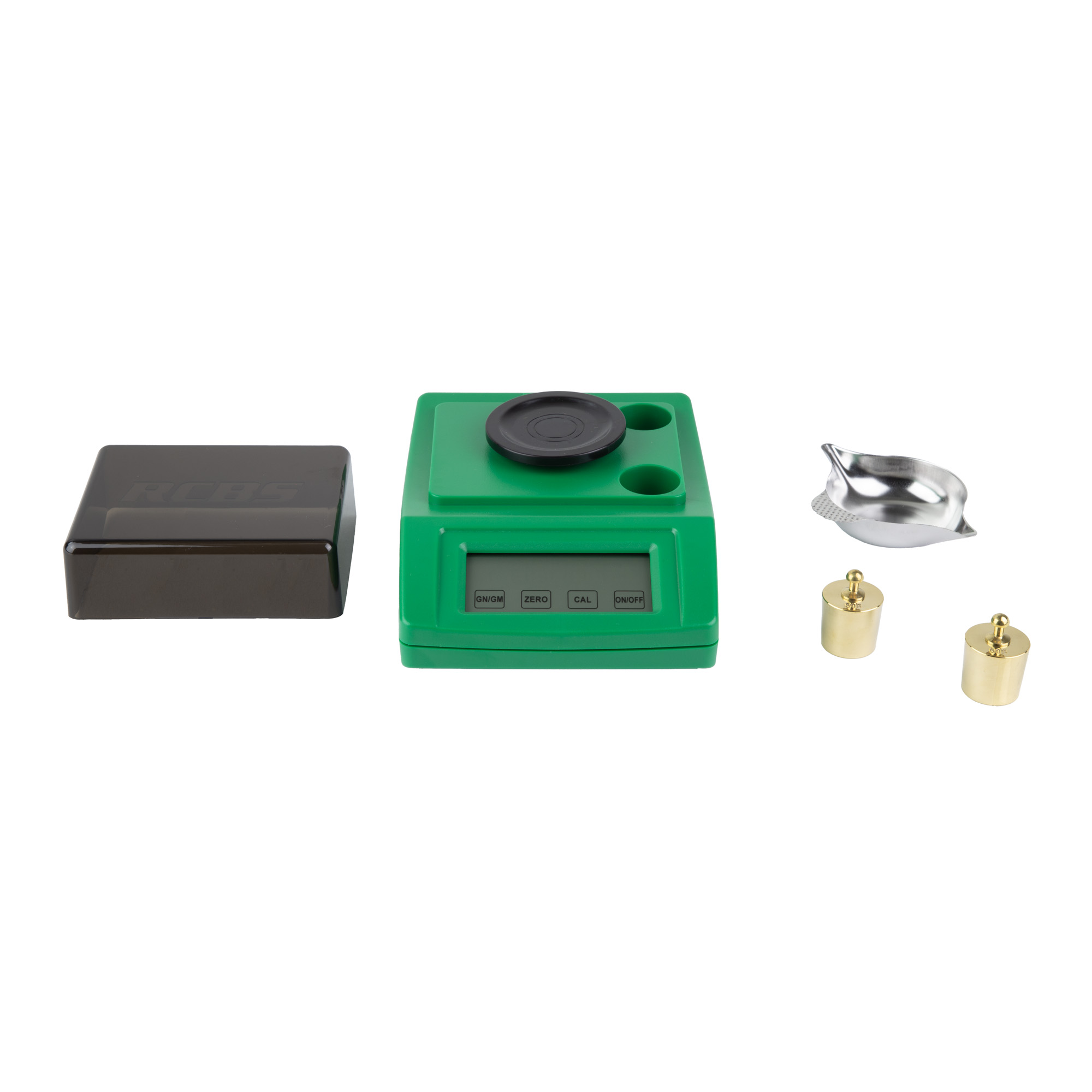
5. Measuring powder charges
The RCBS electronic scale verifies a charge selected from current 7-30 Waters data. Powder, primer and charge decisions remain controlled by the cited source.
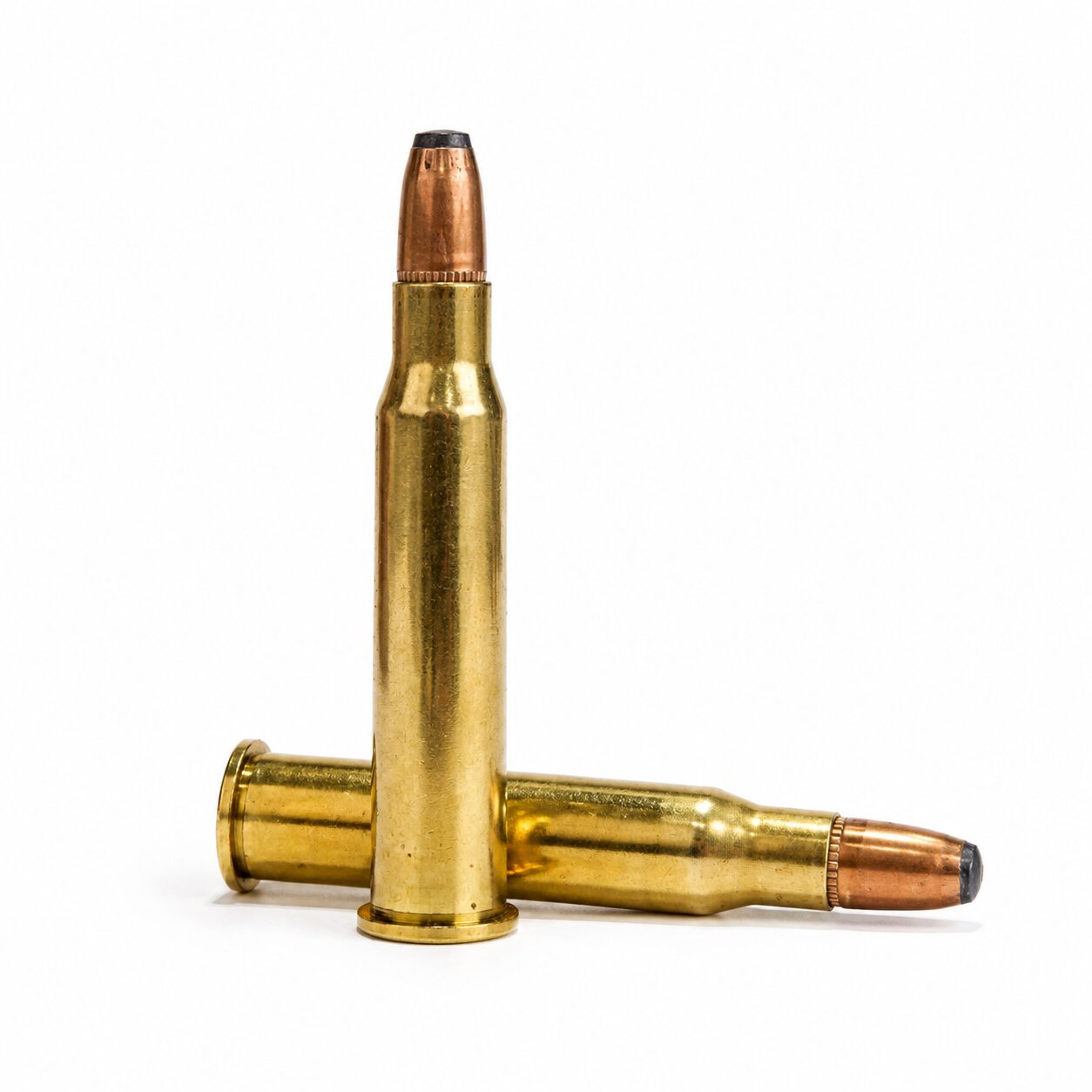
6. The 7-30 Waters cartridge-case path
Brass origin, case forming, condition and readiness belong inside the maintained cartridge record and the actual loading process.
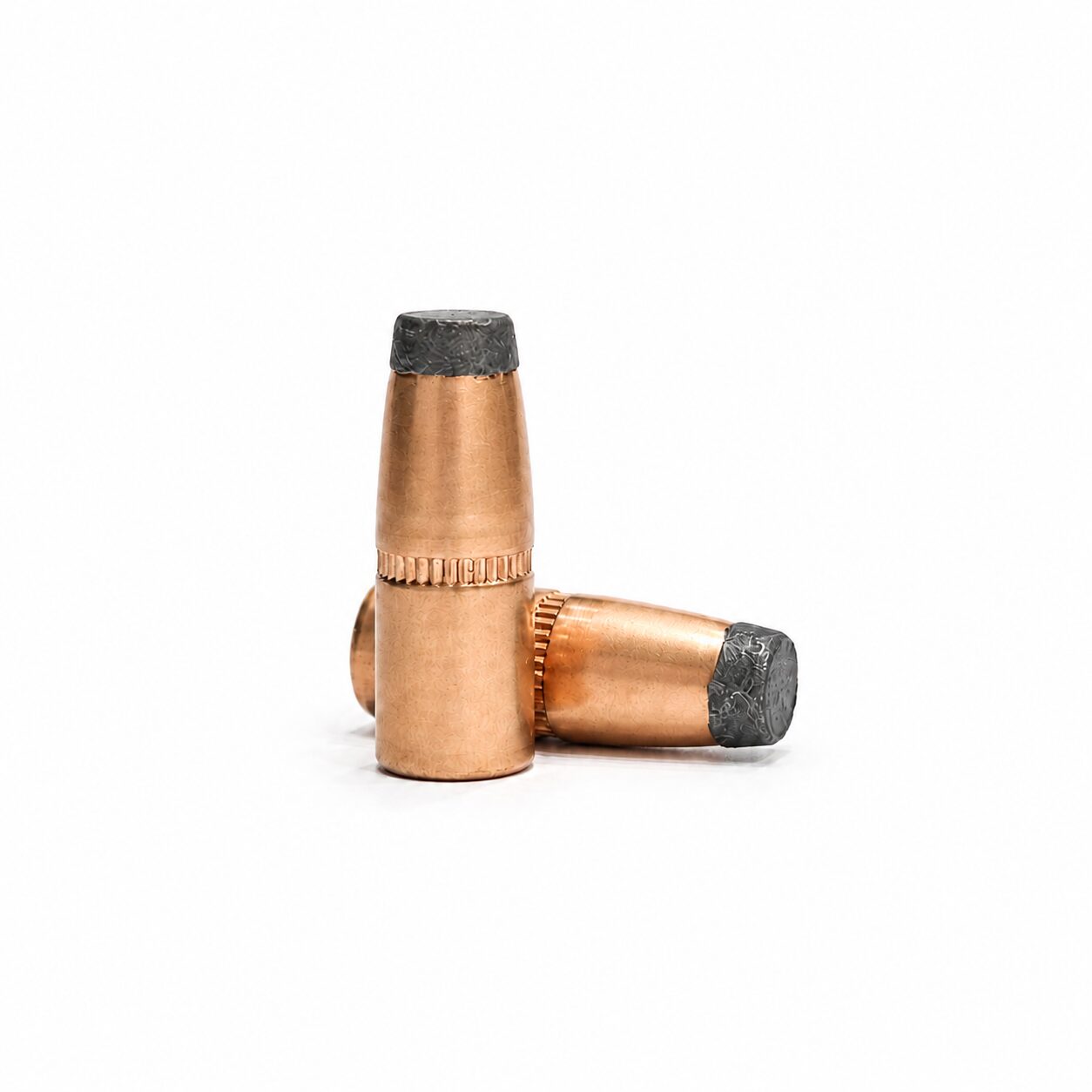
7. Choosing between 120- and 139-grain bullets
The 120-grain path emphasizes velocity, recoil and woods-rifle handling; the 139-grain path emphasizes retained weight and continued travel. Confirm construction and tubular-magazine suitability for the exact rifle.
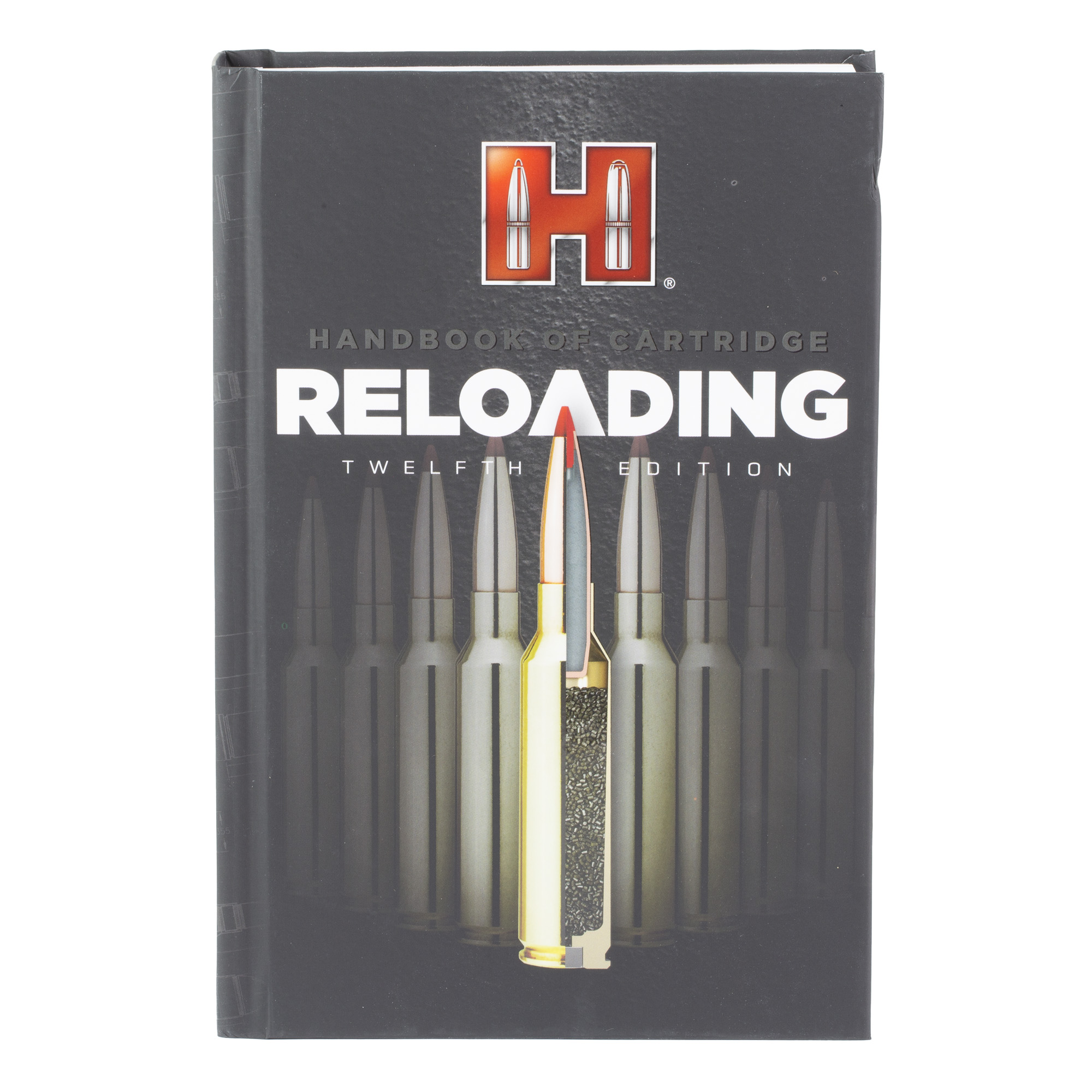
8. Published 7-30 Waters loading reference
Use the Hornady Reloading Manual only for the 7-30 Waters data and components it actually lists. Confirm the exact bullet and rifle requirements before assembly.
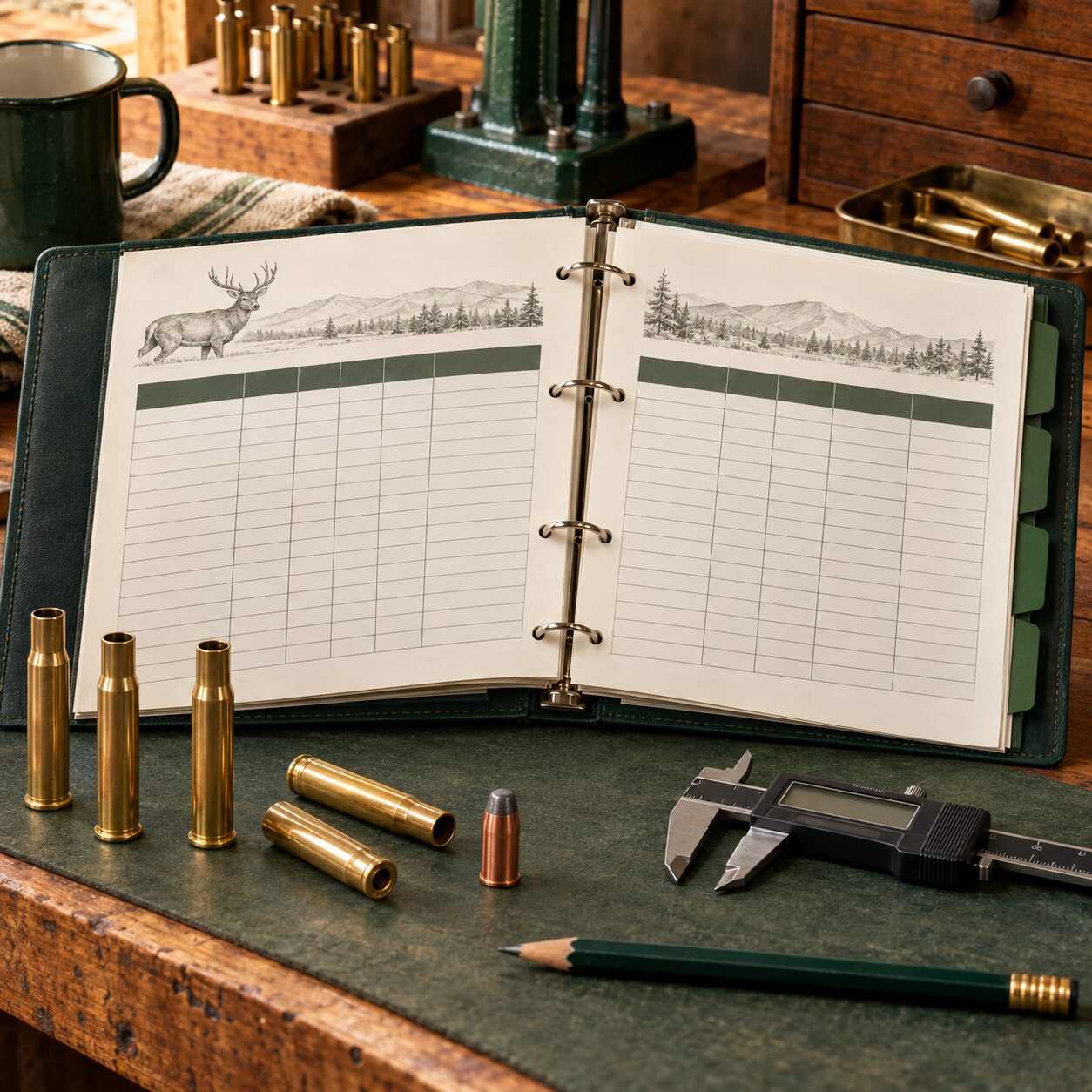
9. Load data for 7-30 Waters bullets
Search the maintained library by bullet weight, type, manufacturer and published source, then use the complete series matching the selected 120- or 139-grain component.
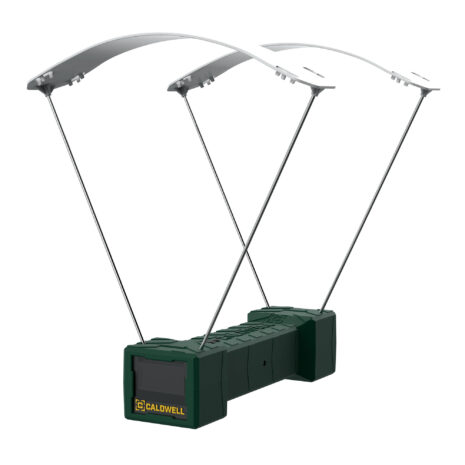
10. Chronographing a 7-30 Waters load
Record velocity from the completed load in the actual rifle and conditions tested. Do not treat velocity alone as proof of pressure, accuracy or terminal performance.
Choose the bullet weight for the job
One bullet station holds the choices for this cartridge. Start with the question the completed load must answer, then open the exact product record for specifications, availability and current purchasing terms.
120-grain Rhino flat nose
The lighter 7-30 Waters path for shooters considering velocity, recoil and woods-rifle handling while retaining a flat-nose profile for a compatible tubular-magazine lever rifle.
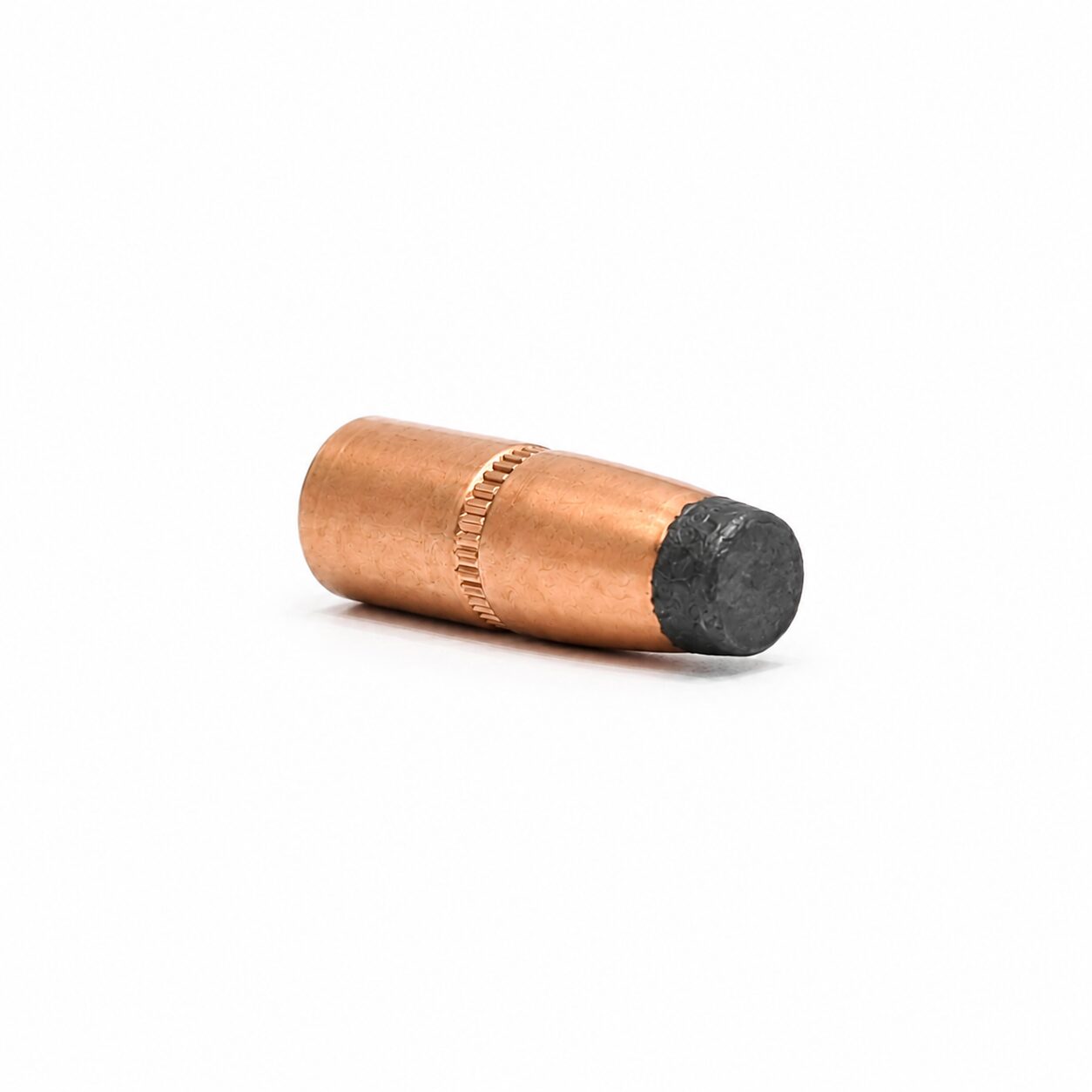
139-grain Rhino flat nose
The heavier, penetration-oriented hunting path for a compatible tubular-magazine lever rifle when retained weight and continued travel through tissue matter more than the lightest recoil.
Compare what the evidence can—and cannot—show about 120 versus 139 grains.
Load data for 7-30 Waters bullets
Use the maintained library to find complete, source-attributed 7-30 Waters series by bullet weight, bullet type, manufacturer and published source.
No published reference data matches these filters.
Reload 7-30 Waters in working order
- Identify the rifle, chamber, tubular magazine and intended hunting work.
- Inspect and identify the brass or formed-case path.
- Size and prepare according to current instructions.
- Measure the required case and cartridge dimensions.
- Choose the 120- or 139-grain bullet path for the application.
- Consult current data for the exact bullet class and weight.
- Assemble deliberately and preserve the record.
- Evaluate only what the actual rifle and session demonstrate.
Continue into the maintained 7-30 Waters record
Start with rifles, bullets, ammunition and what must be verified.Bullet Selection
Choose by rifle, magazine system and intended job.Field Journal
Follow maintained observations, open questions and corrections.
Maintained by Gold Country Ammo. Product availability and specifications are controlled by the linked canonical product pages.