The Question Most Shooters Ask (But Rarely Get Answered Clearly)

You’ve probably seen:

  • “High velocity performance”
  • “Designed for expansion”
  • “Hunting bullet”

But none of that answers the real question:

At what velocity does this bullet actually expand?

Because here’s the truth:

Expansion is not a fixed feature—it’s a velocity-dependent event

The Simple Answer (That Most Ignore)

Every bullet has:

A minimum expansion velocity
An optimal expansion window
A maximum effective threshold

Outside that window:

  • Below it → no expansion
  • Above it → inconsistent or excessive behavior

Why This Matters More in .44 Magnum

The .44 Magnum operates in a narrower real-world velocity band than most people realize.

Especially in lever-action rifles:

  • Starts relatively fast
  • Loses velocity quickly
  • Impact velocity varies dramatically with distance

What Happens Across the Velocity Range

Below Expansion Threshold

  • Bullet behaves like a solid
  • Minimal deformation
  • Narrow wound channel

The result: Over-penetration and weak energy transfer.

Why Does .44 Magnum Over-Penetrate?

Within Expansion Window (What You Want)

  • Controlled deformation
  • Energy transfer increases
  • Predictable performance

The result: Clean kills and short tracking distances.

Above Optimal Range

  • Rapid or excessive expansion
  • Possible fragmentation or instability
  • Reduced penetration

The result: Shallow penetration and inconsistent performance.

Why Shooters Get Confused

1. Advertised Velocity ≠ Impact Velocity

Ammo boxes show muzzle velocity but expansion depends on Impact velocity which changes with distance, barrel length and real-world conditions.

2. Bullet Design Isn’t Universal

Different bullets have different thresholds:

  • Some expand easily at lower velocity
  • Some require higher impact speeds
  • Some resist expansion entirely

Why Bullet Design Determines .44 Magnum Performance — Not the Cartridge

3. Rifle vs Handgun Changes Everything

A bullet designed for a handgun may:

  • Expand too fast in a rifle
  • Or fail entirely at distance

Because the velocity environment is completely different.

Real-World Example

Same bullet. Same load.

At 50 yards:

  • High impact velocity
  • Expansion likely

At 150 yards:

  • Lower impact velocity
  • Expansion uncertain

At 200+ yards:

  • May fall below threshold

Now you’re essentially shooting a solid

Why This Causes Inconsistent Results

This is why shooters say:

“Sometimes it works great… sometimes it doesn’t”

It’s not random.

It’s velocity crossing in and out of the expansion window

Matching Velocity to Application

Woods Hunting (Close Range)

  • Higher impact velocity
  • Expansion easier—but must be controlled

Best .44 Magnum Ammo for Woods vs Open Terrain

Open Terrain

  • Velocity drops quickly
  • Expansion becomes harder

Best .44 Magnum Ammo for Deer Hunting (Real-World Scenarios)

Game Size Consideration

  • Larger animals → need penetration + controlled expansion
  • Smaller animals → benefit from faster expansion

What .44 Magnum Load Should You Use for Different Game Sizes

For Reloaders: This Is Where Precision Happens

This is where reloading becomes powerful.

You can tune for:

  • Velocity window
  • Bullet type
  • Expected engagement distance

Small adjustments allow you to:

keep your bullet inside its expansion window

Explore bullets made specifically for lever gun rifles

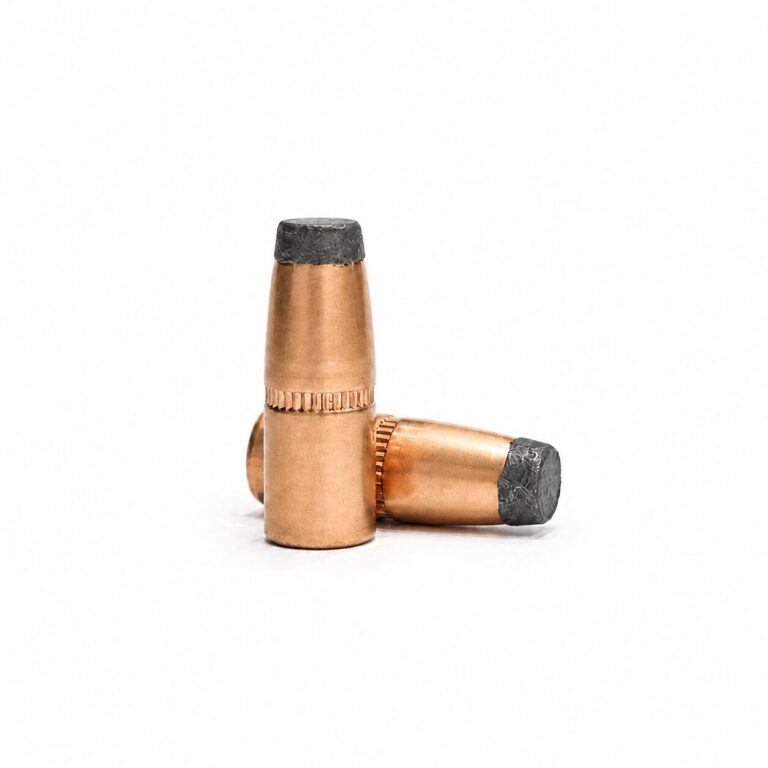
Gold Country Rhino™ — 240-Grain .429 Flat-Nose Penetration Bullet
Gold Country Rhino™ — .429 Diameter · 265-Grain Flat-Nose .444 Marlin Controlled-Crush Bullet
Gold Country Rhino™ 44 Magnum / .444 Marlin — 300 Grain .429 Wide Flat Nose Bullets

The Real Takeaway

The question isn’t:

“How fast is this load?”

The question is:

“What velocity will this bullet be traveling when it hits the target—and will it expand at that speed?”

If You Want .44 Magnum Performance That Actually Works

If you’re looking for .44 Magnum ammunition built around real-world performance—not just velocity claims—you can explore:

Gold Country Rhino — .44 Remington Magnum 240-Grain Flat-Nose Ammunition
Gold Country Rhino 265 Grain 44 Magnum Hunting / Personal Self Defense Ammunition
Gold Country Rhino — .44 Remington Magnum 300-Grain Flat-Nose Ammunition

If you’re building your own loads or want full control over performance:

Gold Country Rhino™ — 240-Grain .429 Flat-Nose Penetration Bullet
Gold Country Rhino™ — .429 Diameter · 265-Grain Flat-Nose .444 Marlin Controlled-Crush Bullet
Gold Country Rhino™ 44 Magnum / .444 Marlin — 300 Grain .429 Wide Flat Nose Bullets

These are designed specifically for lever-action rifles and real hunting conditions—not theoretical performance charts.

Built for This Problem

Every product referenced here exists for one reason — it solves a real problem in the field. Not in theory. Not on paper. In use.

If you build something designed for this exact scenario — expansion where others fail, penetration where it matters, stability where it breaks down — it may belong here.

Submit your product for review →

Inclusion is based on real-world function, not marketing claims. If it doesn’t solve the problem, it doesn’t get placed.