Reloader’s Den · .30-30 Winchester Reloading
Equipment and components for reloading .30-30 Winchester cartridges
We built this room to answer a practical question: What equipment and components do I need to reload .30-30 Winchester cartridges?
The room brings the principal parts of a .30-30 reloading setup into one working sequence: a single-stage press, .30-30 Winchester dies, case-preparation equipment, a caliper, a scale, new brass, purpose-appropriate bullets, a current loading manual, maintained load references and a chronograph. Each station explains the job that item performs and links to the exact product or maintained reference.
Because the .30-30 Winchester is commonly used in lever-action rifles with tubular magazines, bullet profile, cartridge dimensions, crimp requirements and the instructions for the actual rifle and die set all matter. We narrow the page to products and decisions relevant to that cartridge instead of presenting hundreds of unrelated reloading items.
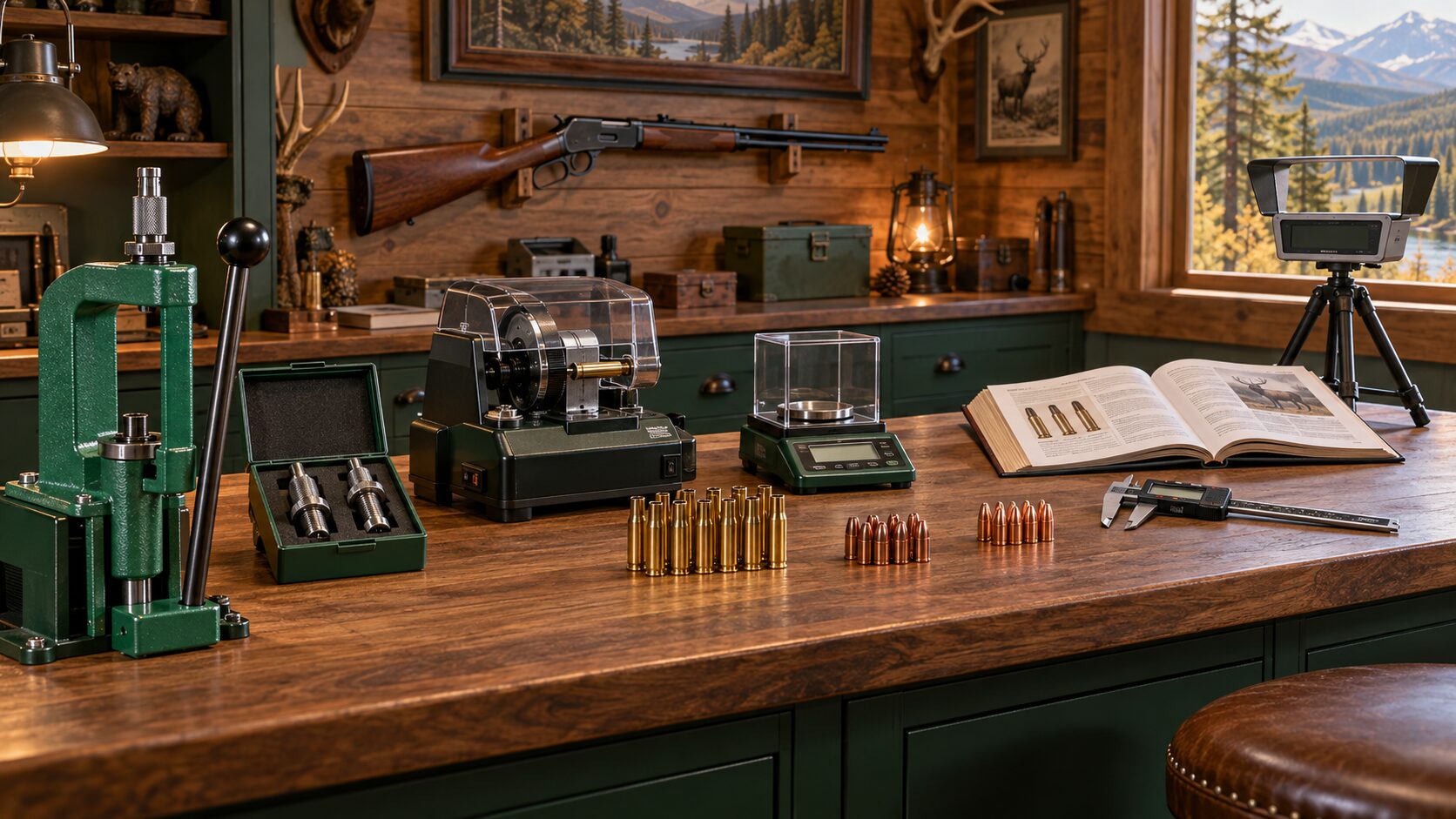
AI-assisted application visualization. Products are shown in a representative working environment to explain their roles. Follow each product link for the exact item, current specifications and availability. Product proximity does not establish component compatibility.
The .30-30 Winchester reloading system
What do you need to reload .30-30 Winchester cartridges?

1. Single-stage reloading press
We selected the Hornady Lock-N-Load Classic single-stage press as the mechanical center of this .30-30 Winchester reloading setup. The press provides the controlled movement used to size cases and seat bullets, but the correctly installed .30-30 Winchester dies perform the cartridge-specific work.
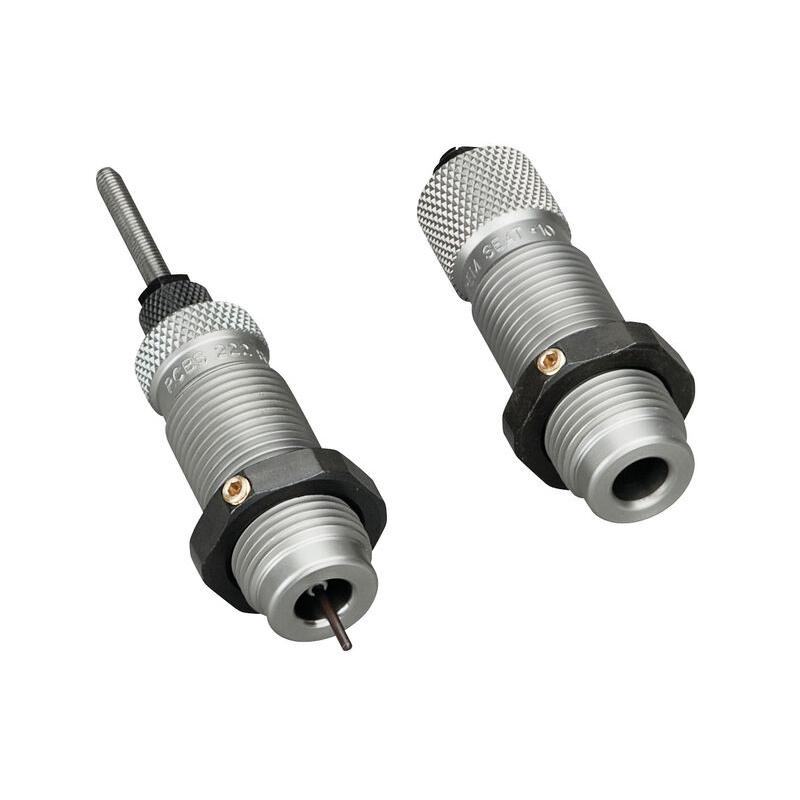
2. .30-30 Winchester reloading dies
The RCBS 14601 full-length two-die set supplies the cartridge-specific sizing and seating operations. A press by itself does not establish the correct case dimensions, bullet seating or crimp. Follow the RCBS instructions for adjustment, shellholder requirements and the particular operation.

3. .30-30 case preparation and trimming
Fired .30-30 Winchester brass must be inspected before it returns to service. This system supports trimming, chamfering and deburring when measured case condition and the governing reference indicate that work is required.

4. Measuring .30-30 cases and cartridges
A digital caliper checks the dimensions required by the loading process, including case length and other measurements specified by the die instructions and published reference. The caliper reports a measurement; the governing references establish the acceptable value.
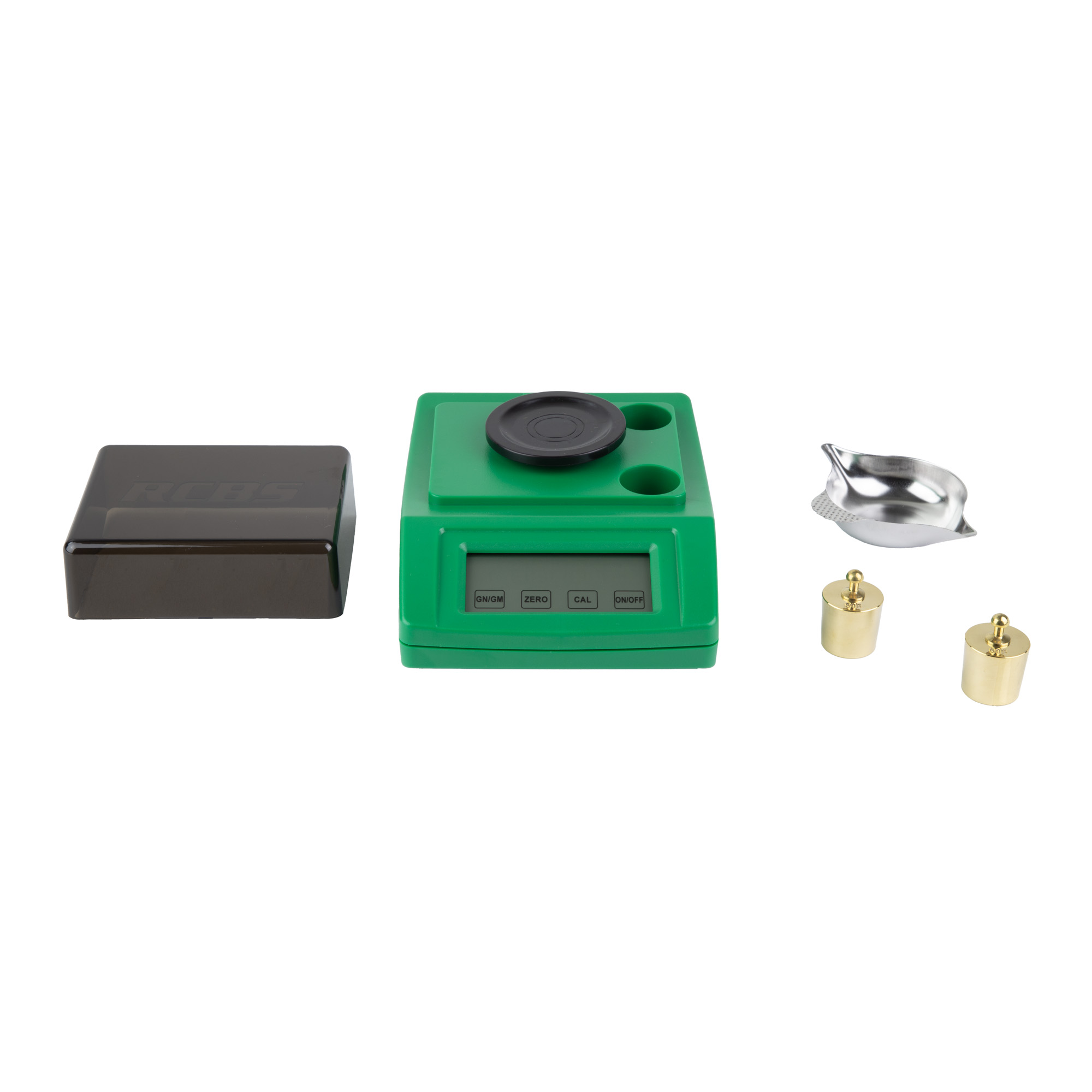
5. Measuring powder charges
An electronic scale verifies a powder charge selected from current .30-30 Winchester data. We intentionally do not place a powder, primer or charge value in this room.
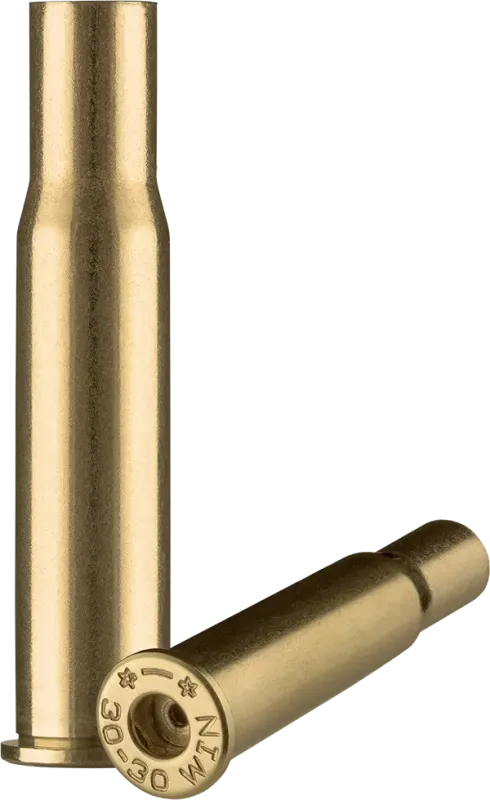
6. New .30-30 Winchester brass
We offer new, unprimed Starline .30-30 Winchester brass in 50-count packages. Cartridge-specific brass establishes the correct case identity, but every case should still be inspected and prepared according to current instructions.

7. Choosing bullets for a .30-30 Winchester rifle
Choose by the rifle, magazine system, hunting job, construction and available data—not diameter or grain weight alone. Our 150-grain Rhino emphasizes controlled penetration; the 150-grain Razorback uses a serrated jacket intended to initiate expansion sooner.
150-grain Rhino · 150-grain Razorback · Loaded 150-grain ammunition
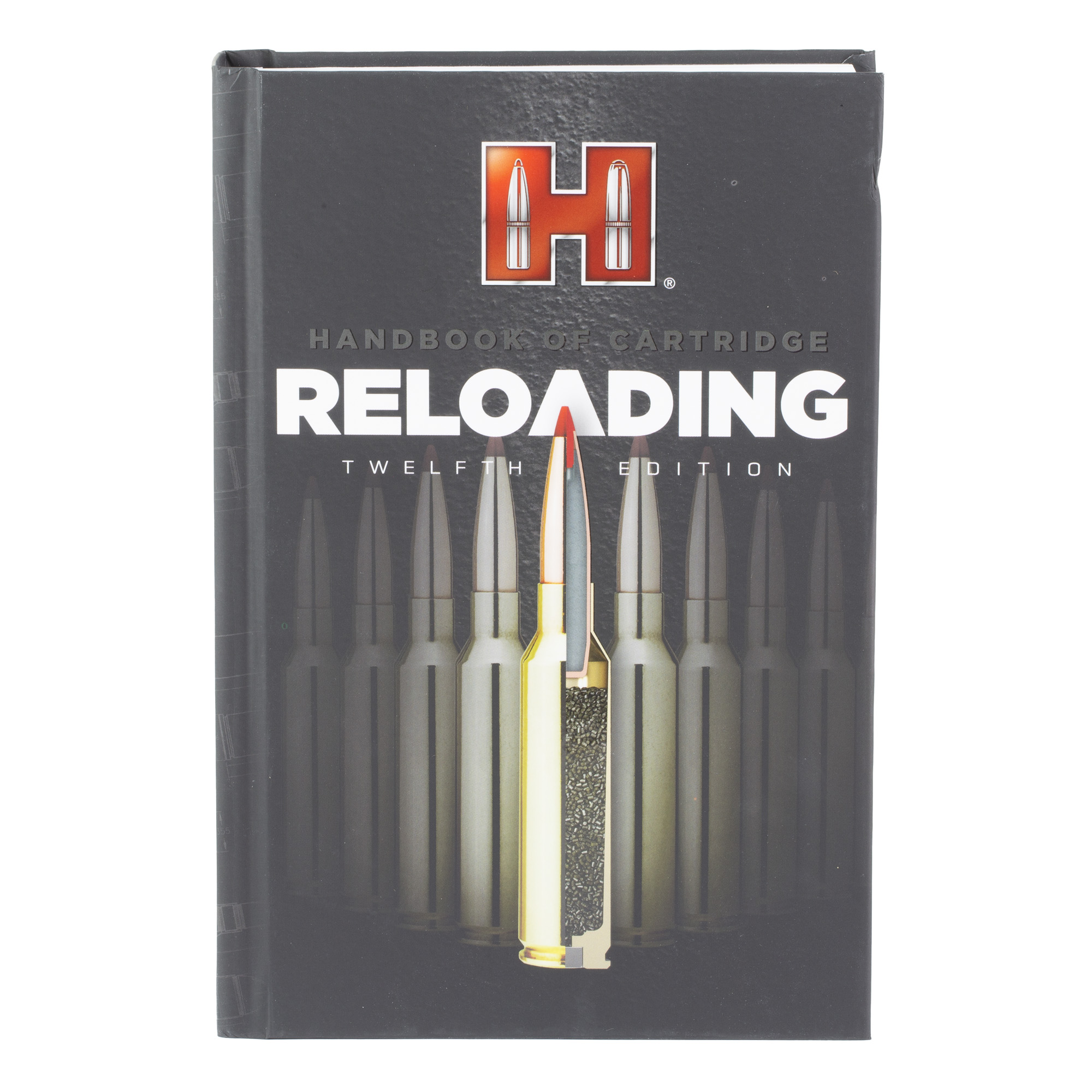
8. Hornady Reloading Manual
The Hornady 12th Edition Handbook supplies a current published reference point where it actually lists the applicable cartridge and components. Always verify that the data corresponds to the exact bullet, powder and component combination being considered.
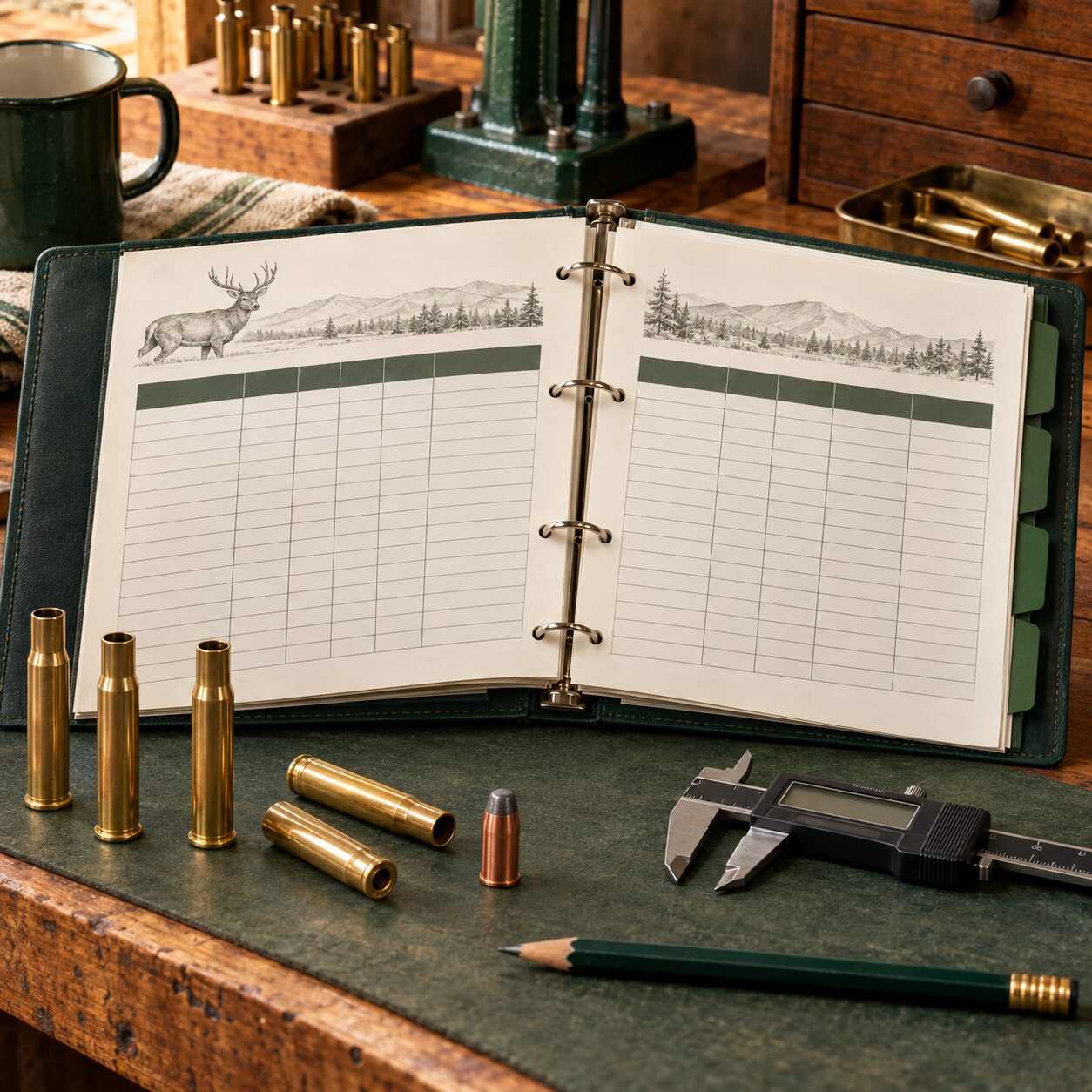
9. Load data for .30-30 Winchester bullets
Search the maintained library by bullet weight, type, manufacturer and published source. Open the complete series matching the bullet identity or class instead of assuming data transfers merely because two bullets share a diameter.
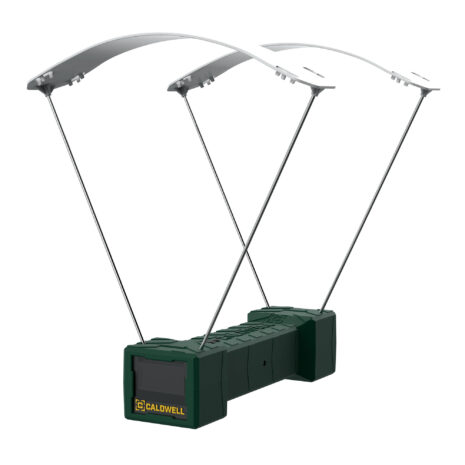
10. Chronographing a completed .30-30 load
A chronograph records velocity from the completed load in the actual rifle and conditions tested. Velocity helps maintain useful records, but it does not independently prove chamber pressure, accuracy, safe operation or terminal performance.
Showing 10 of 282 complete load series.
150 gr — Barnes TSX FN
Named-bullet data · single shot pistol
Source: LoadData.com / Wolfe Publishing · Powder: Accurate AAC-2460
Restrictions: single shot only, not for tubular magazines, exact bullet context
| Charge | Velocity | COAL | Pressure | Published remarks |
|---|---|---|---|---|
| 27.5 gr | 1951 fps | 2.470" | minimum; COAL: 2.470" | |
| 30.0 gr | 2060 fps | 2.470" | maximum; COAL: 2.470" |
170 gr — Bullet
Named-bullet data · rifle
Source: LoadData.com / Wolfe Publishing · Powder: Hodgdon H-380
| Charge | Velocity | COAL | Pressure | Published remarks |
|---|---|---|---|---|
| 34.0 gr | 2016 fps | 2.480" | start load; min OAL: 2.480 | |
| 36.0 gr | 2182 fps | 2.480" | 41,558 PSI | never exceed; compressed; min OAL: 2.480; 41,558 psi |
125 gr — Jacketed
Generic bullet-class data · rifle
Source: LoadData.com / Wolfe Publishing · Powder: Alliant RL-12
| Charge | Velocity | COAL | Pressure | Published remarks |
|---|---|---|---|---|
| 34.3 gr | 2390 fps | 2.470" | start load; min OAL: 2.470 | |
| 37.0 gr | 2555 fps | 2.470" | 39,900 PSI | never exceed; compressed; min OAL: 2.470; 39,900 psi |
150 gr — Barnes TSX FN
Named-bullet data · single shot pistol
Source: LoadData.com / Wolfe Publishing · Powder: IMR IMR-3031
Restrictions: single shot only, not for tubular magazines, exact bullet context
| Charge | Velocity | COAL | Pressure | Published remarks |
|---|---|---|---|---|
| 28.0 gr | 1893 fps | 2.470" | minimum; COAL: 2.470" | |
| 30.5 gr | 2066 fps | 2.470" | maximum; COAL: 2.470" |
170 gr — Hornady Flat Nose
Named-bullet data · rifle
Source: LoadData.com / Wolfe Publishing · Powder: Ramshot Big Game
| Charge | Velocity | COAL | Pressure | Published remarks |
|---|---|---|---|---|
| 31.5 gr | 1990 fps | 2.530" | start load; COL (inches): 2.530 | |
| 35.0 gr | 2175 fps | 2.530" | 33,000 PSI | max load; COL (inches): 2.530; 33,000 psi |
125 gr — Sierra flatnose
Named-bullet data · single shot pistol
Source: LoadData.com / Wolfe Publishing · Powder: Winchester W-748
Restrictions: single shot only, exact bullet context
| Charge | Velocity | COAL | Pressure | Published remarks |
|---|---|---|---|---|
| 35.0 gr | 2175 fps | 2.420" | COAL (inches): 2.420 | |
| 36.0 gr | 2271 fps | 2.420" | COAL (inches): 2.420 | |
| 37.0 gr | 2380 fps | 2.420" | COAL (inches): 2.420 |
150 gr — Hornady IB, SST, FMJ-BT, RN, BTSP, SP, A-Max
Named-bullet data · single shot pistol
Source: LoadData.com / Wolfe Publishing · Powder: Vihtavuori VV-N130
Restrictions: single shot only, exact bullet context
| Charge | Velocity | COAL | Pressure | Published remarks |
|---|---|---|---|---|
| 25.3 gr | 1588 fps | See published bullet-specific lengths below | ||
| 25.9 gr | 1636 fps | See published bullet-specific lengths below | ||
| 26.6 gr | 1692 fps | See published bullet-specific lengths below | ||
| 27.2 gr | 1747 fps | See published bullet-specific lengths below | ||
| 27.9 gr | 1802 fps | See published bullet-specific lengths below | ||
| 28.5 gr | 1853 fps | See published bullet-specific lengths below | maximum load |
Published bullet-specific COAL notes:
- 110 GR V-Max, FMJ, SP: 2.660"
- 110 RN: 2.525"
- 130 GR SP: 2.660"
- 150 GR IB, SST, FMJ-BT, RN, BTSP, SP & A-Max: 2.715"
These lengths apply to the bullet descriptions specified by the source. Confirm the exact bullet and its applicable length in the publication before using this data.
170 gr — Jacketed
Generic bullet-class data · rifle
Source: LoadData.com / Wolfe Publishing · Powder: Vectan SP7
| Charge | Velocity | COAL | Pressure | Published remarks |
|---|---|---|---|---|
| 29.3 gr | 1988 fps | 2.550" | start load; min OAL: 2.550 | |
| 34.0 gr | 2231 fps | 2.550" | 36,517 CIP | never exceed; min OAL: 2.550; 36,517 cip |
125 gr — Bullet
Named-bullet data · rifle
Source: LoadData.com / Wolfe Publishing · Powder: Hodgdon BL-C(2)
| Charge | Velocity | COAL | Pressure | Published remarks |
|---|---|---|---|---|
| 36.0 gr | 2343 fps | 2.480" | start load; min OAL: 2.480 | |
| 38.0 gr | 2606 fps | 2.480" | 38,463 PSI | never exceed; compressed; min OAL: 2.480; 38,463 psi |
150 gr — Barnes TSX FN
Named-bullet data · single shot pistol
Source: LoadData.com / Wolfe Publishing · Powder: Hodgdon H-4198
Restrictions: single shot only, not for tubular magazines, exact bullet context
| Charge | Velocity | COAL | Pressure | Published remarks |
|---|---|---|---|---|
| 24.0 gr | 1830 fps | 2.470" | minimum; COAL: 2.470" | |
| 26.0 gr | 2013 fps | 2.470" | maximum; COAL: 2.470" |
The method
Reload .30-30 Winchester in a deliberate sequence.
- Identify the exact rifle, chambering and magazine system.
- Define the intended use before selecting a bullet or pursuing a velocity goal.
- Inspect and positively identify every .30-30 Winchester case.
- Clean, size, trim and prepare the brass as required by current instructions and measured condition.
- Measure the case and cartridge dimensions specified by the governing references.
- Select a bullet construction and profile appropriate to the rifle, magazine and intended application.
- Consult current .30-30 Winchester load data for the exact bullet and components.
- Assemble deliberately, confirm function according to the firearm and component instructions, and preserve the loading record.
- Open the load-data series for the correct bullet type, weight and source, then compare its requirements with the exact bullet being loaded.
- Evaluate the completed load in the actual rifle without extending the observed results beyond that firearm, load and session.