The Reality Most Shooters Never Get Told
The .44 Magnum has a reputation.
Powerful. Hard-hitting. Devastating.
And in many cases—that reputation is deserved.
But here’s the part most people never hear:
.44 Magnum performance in a lever-action rifle is not defined by the cartridge. It’s defined by bullet design, velocity window, and application.
That’s where results start to separate:
- Clean kills vs long tracking jobs
- Proper expansion vs pass-throughs
- Confidence vs unpredictability
This page exists to make that clear.
The Lever-Action Advantage (And the Hidden Trade-Off)
When you move .44 Magnum from a revolver to a rifle:
- Velocity increases significantly
- Stability improves
- Effective range extends
But that creates a new reality:
Many bullets are no longer operating in the environment they were designed for
Some are now:
- too fast → over-penetration
- too slow (at distance) → no expansion
- structurally mismatched → inconsistent performance
What Actually Determines .44 Magnum Performance
Not the cartridge.
Three things matter:
1. Bullet Design
This is the most important factor.
- Soft points behave differently than bonded bullets
- Hollow points may fail at rifle velocities or at distance
- Flat nose designs impact both safety and terminal performance
→ Why Bullet Design Determines .44 Magnum Performance — Not the Cartridge
2. Velocity Window
Every bullet has a functional range, not just a listed velocity.
- Too fast → fragmentation or pass-through
- Too slow → no expansion
→ At What Velocity Does a .44 Magnum Bullet Actually Expand?
3. Intended Use
The same load should NOT be used for:
- Close-range woods hunting
- Open terrain shots
- Larger game
→ What .44 Magnum Load Should You Use for Different Game Sizes
The Most Common Problems (And Why They Happen)
Over-Penetration
Shooter expectation:
“It hit hard—why didn’t it stop the animal?”
Reality:
- Bullet didn’t expand
- Passed through with minimal energy transfer
→ Why Does .44 Magnum Over-Penetrate?
Poor or No Expansion
Shooter expectation:
“I thought hollow points expand?”
Reality:
- Many require higher velocity than delivered at distance
- Others are built for pistols, not rifles
→ Why Won’t My .44 Magnum Expand Properly?
Inconsistent Results
Shooter expectation:
“Sometimes it works, sometimes it doesn’t”
Reality:
- Bullet operating outside design window
- Mismatch between use and load
The Truth About “More Power”
There’s a common belief:
“More velocity = better performance”
That’s not always true.
In .44 Magnum rifles:
- More velocity can reduce control over expansion
- It can increase pass-throughs
- It can decrease effective energy transfer
What matters is not maximum power…
It’s correctly applied performance
Matching the Load to the Situation
This is where most shooters start seeing real results.
Woods Hunting (Close Range)
- Lower impact velocity needed
- Reliable expansion critical
- Over-penetration common issue
→ Best .44 Magnum Ammo for Woods vs Open Terrain
Open Terrain
- Higher retained velocity matters
- Bullet must expand at distance
→ Best .44 Magnum Ammo for Deer Hunting (Real-World Scenarios)
Game Size Matters
- Deer ≠ hogs ≠ larger animals
- Bullet construction becomes critical
→ What .44 Magnum Load Should You Use for Different Game Sizes
Why the .44 Magnum Still Works So Well
Despite everything above…
The .44 Magnum remains one of the most effective cartridges for:
- Lever-action rifles
- Moderate-range hunting
- Dense terrain
When used correctly
It offers:
- Strong energy transfer
- Manageable recoil
- Excellent real-world effectiveness
The Real Takeaway
The difference between success and frustration with .44 Magnum isn’t luck.
It’s understanding this:
Performance is built—not assumed.
For Reloaders and Precision Control
For those who build their own loads, bullet selection becomes the primary driver of performance.
At .44 Magnum rifle velocities, small changes in:
- bullet construction
- nose design
- jacket behavior
can completely change outcomes in the field.
Explore bullets made specifically for lever gun rifles
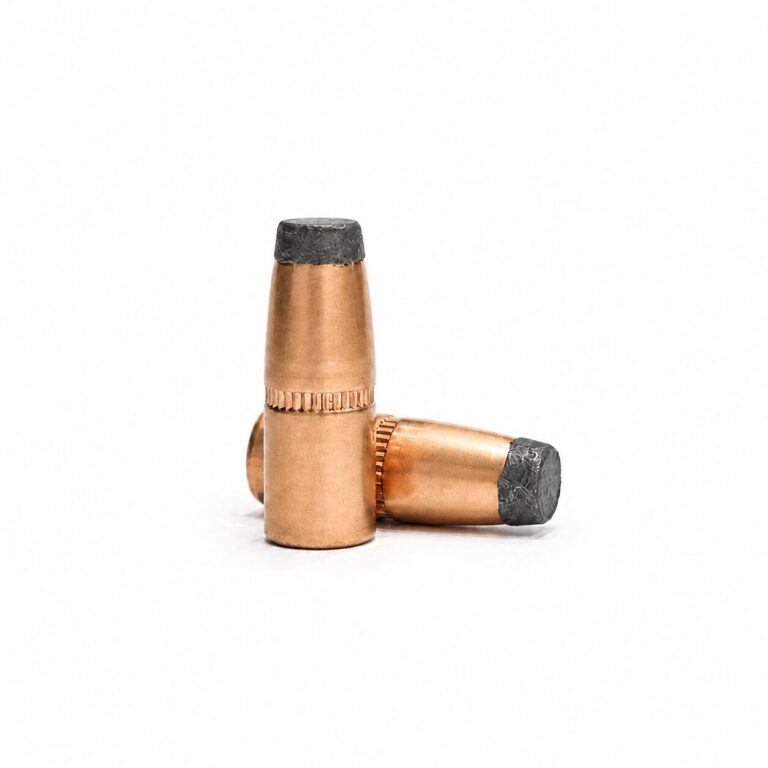
→ Gold Country Rhino™ — 240-Grain .429 Flat-Nose Penetration Bullet
→ Gold Country Rhino™ — .429 Diameter · 265-Grain Flat-Nose .444 Marlin Controlled-Crush Bullet
→ Gold Country Rhino™ 44 Magnum / .444 Marlin — 300 Grain .429 Wide Flat Nose Bullets
If You Want Consistent, Real-World Results
If you’re looking for .44 Magnum ammunition built around real-world performance—not just velocity claims—you can explore:
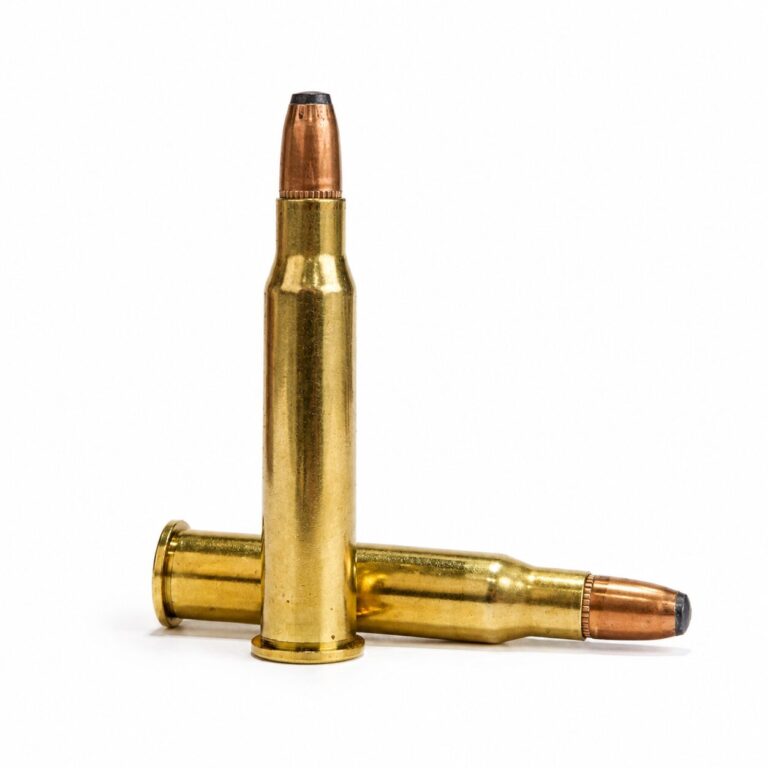
→ Gold Country Rhino — .44 Remington Magnum 240-Grain Flat-Nose Ammunition
→ Gold Country Rhino 265 Grain 44 Magnum Hunting / Personal Self Defense Ammunition
→ Gold Country Rhino — .44 Remington Magnum 300-Grain Flat-Nose Ammunition
If you’re building your own loads or want full control over performance:
→ Gold Country Rhino™ — 240-Grain .429 Flat-Nose Penetration Bullet
→ Gold Country Rhino™ — .429 Diameter · 265-Grain Flat-Nose .444 Marlin Controlled-Crush Bullet
→ Gold Country Rhino™ 44 Magnum / .444 Marlin — 300 Grain .429 Wide Flat Nose Bullets
These are designed specifically for lever-action rifles and real hunting conditions—not theoretical performance charts.
Built for This Problem
Every product referenced here exists for one reason — it solves a real problem in the field. Not in theory. Not on paper. In use.
If you build something designed for this exact scenario — expansion where others fail, penetration where it matters, stability where it breaks down — it may belong here.
Submit your product for review →
Inclusion is based on real-world function, not marketing claims. If it doesn’t solve the problem, it doesn’t get placed.
WARNING: