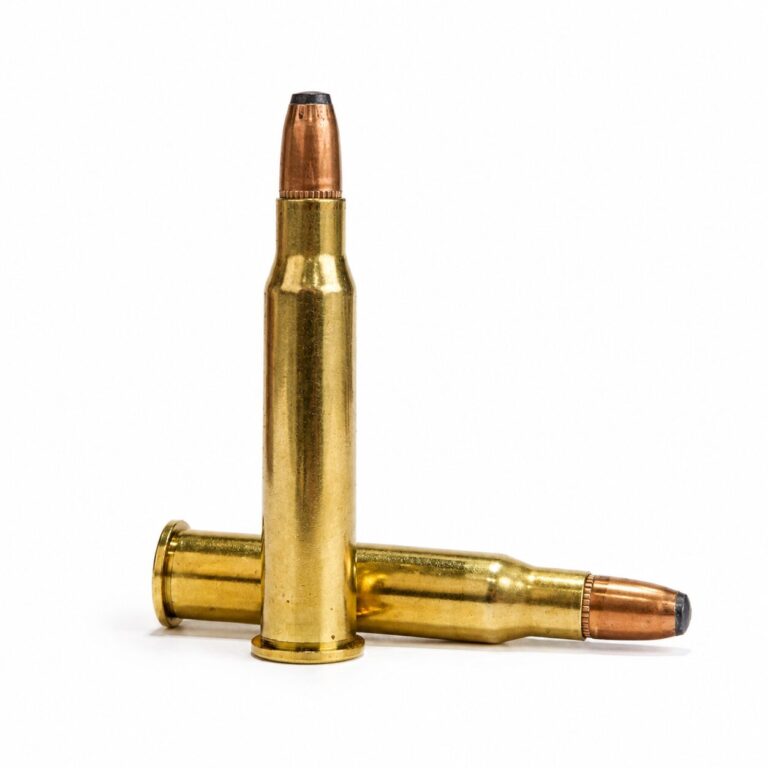
What Actually Works — Based on Distance, Terrain, and Shot Conditions
Most advice about .30-30 ammo for deer hunting sounds like this:
“Use a 150 or 170 grain bullet.”
That’s not wrong.
But it’s also not enough to make the right decision in the field.
Because what actually determines success isn’t just bullet weight — it’s:
- distance
- terrain
- shot angle
- bullet design
This guide breaks it down by real-world scenarios, not general rules.
The Truth First
The .30-30 is not a long-range cartridge.
It is a controlled-distance, high-effectiveness system when used correctly.
Inside that range, it is:
- extremely reliable
- highly effective
- predictable — when bullet design matches conditions
Scenario 1: Close-Range Woods Hunting (0–100 yards)
This is where the .30-30 shines.
Typical conditions:
- dense cover
- short sight lines
- quick shot opportunities
What matters most:
- fast, reliable expansion
- immediate energy transfer
- minimal tracking distance
What can go wrong:
- bullets that don’t expand
- pass-through shots with little immediate effect
→ Why Won’t My .30-30 Expand Properly?
What works best:
- bullets designed to expand at lower velocities
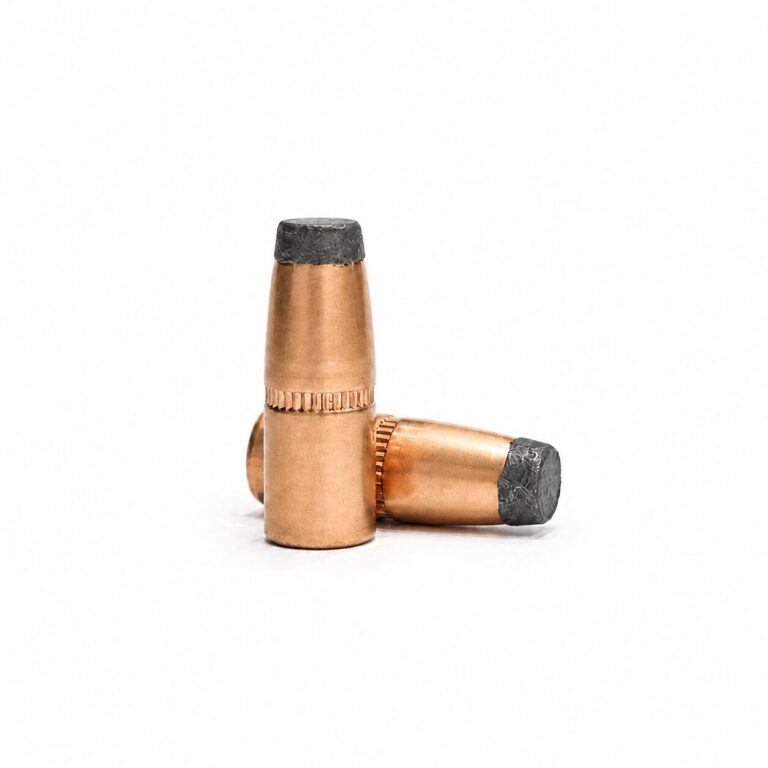
- wide frontal profile (flat-nose)
- controlled but not delayed expansion
What Actually Solves This in the Real World
For close-range deer hunting, performance depends on bullets that begin working immediately on impact — not after passing through.
For example:
- Fast, controlled expansion at woods distances → Gold Country Rhino .30-30 Ammunition / Bullets
- Balanced penetration when angles are less predictable → Gold Country Razorback .30-30 Bullets
These are built for:
- moderate velocity expansion windows
- consistent energy transfer
- real-world hunting distances
Scenario 2: Mixed Terrain (50–150 yards)
This is the most common hunting environment.
You may encounter:
- open lanes
- partial brush
- varying shot angles
What matters most:
- balanced expansion and penetration
- consistent performance across distances
What can go wrong:
- over-expansion at closer ranges
- under-expansion at longer ranges
→ At What Velocity Does a .30-30 Bullet Actually Expand?
What works best:
- bullets designed for a wider velocity window
- controlled expansion that adapts to distance
What Actually Solves This in the Real World
In mixed terrain, consistency matters more than specialization.
For example:
- Predictable expansion across varying distances → Gold Country Rhino .30-30 Ammunition / Bullets
- Added structural integrity for angled shots → Gold Country Razorback .30-30 Bullets
This is where properly designed bullets outperform generic loads.
Scenario 3: Longer Shots (150–200 yards)
This is near the practical limit of most .30-30 setups.
At this distance:
- velocity has dropped
- expansion becomes less reliable
- shot placement becomes critical
What matters most:
- bullets that still expand at lower impact velocities
- maintaining effectiveness at reduced speed
What can go wrong:
- bullets acting like solids
- minimal expansion and narrow wound channels
→ Why Does .30-30 Performance Vary So Much Between Loads?
What works best:
- bullets designed specifically for lower velocity expansion
- consistent behavior at the edge of the cartridge’s range
What Actually Solves This in the Real World
At extended distances, bullet design matters more than anything else.
For example:
- Reliable expansion at reduced velocities → Gold Country Rhino .30-30 Ammunition / Bullets
- Controlled penetration when expansion is less aggressive → Gold Country Razorback .30-30 Bullets
This is where many standard loads begin to fail — and purpose-built bullets continue to perform.
150 vs 170 Grain — What Actually Changes
This question comes up constantly.
Here’s the real answer:
150 Grain
- slightly higher velocity
- flatter trajectory
- often expands more easily
Best for:
- lighter deer
- shorter to mid-range shots
170 Grain
- more mass
- deeper penetration
- more consistent performance on larger animals
Best for:
- heavier deer
- tougher angles
- hunters prioritizing penetration
→ 150 vs 170 Grain — Field Performance Study
The Biggest Mistake Most Hunters Make
They choose ammo based on:
- brand
- marketing
- velocity or energy numbers
Instead of:
- how the bullet actually behaves on impact
→ Why Energy Numbers Don’t Predict .30-30 Performance
Where to Go Next
To refine your setup even further:
- Bullet design fundamentals → Why Flat-Nose Bullets Matter in the .30-30
- Core system overview → The Truth About .30-30 Performance in Lever Guns
- Bullet selection breakdown → What Grain Bullet Is Best for .30-30 Deer Hunting?
Final Word
The best .30-30 ammo for deer hunting is not one specific load.
It’s the one that matches:
- your environment
- your distance
- your shot conditions
When those align with proper bullet design, the result is simple:
- clean shots
- short tracking
- consistent outcomes
That’s what the .30-30 has always been built for.
WARNING: