What Actually Determines Performance — Bullet Design, Velocity, and Impact Reality

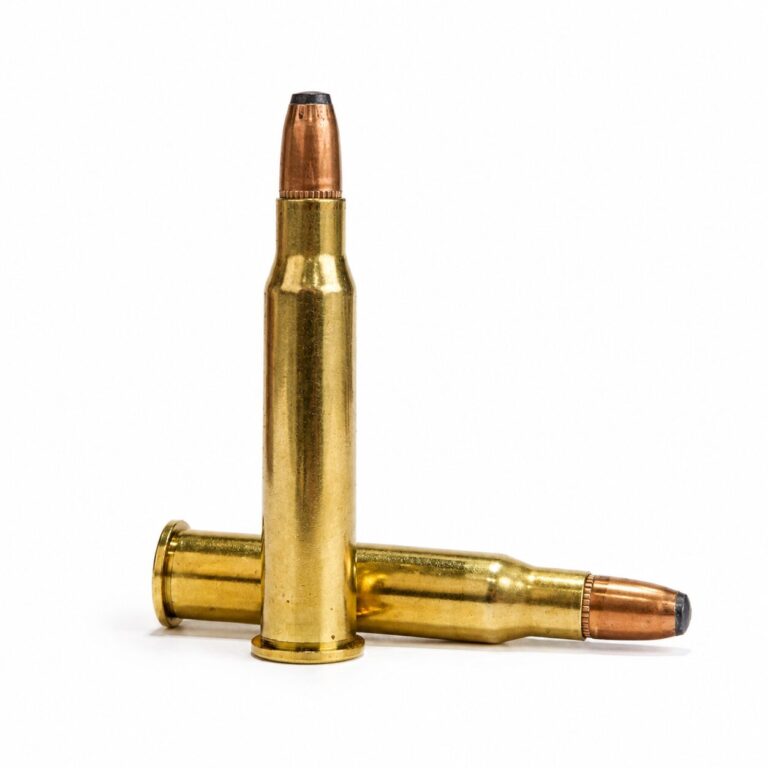
The .30-30 Winchester has taken more deer than almost any cartridge in North America. It has survived generations of rifles, hunters, and changing trends — not because it is perfect, but because it works within a very specific set of conditions.

And that is where most people misunderstand it.

Performance in the .30-30 is not determined by the cartridge itself. It is determined by three interacting factors:

  • Impact velocity
  • Bullet construction
  • Lever-gun mechanical constraints

When those three align, the .30-30 performs exceptionally well. When they don’t, you get the exact problems hunters complain about:

  • Over-penetration
  • Lack of expansion
  • Inconsistent terminal results

This page exists to explain why.

The Reality of .30-30 Velocity

The .30-30 operates in a velocity window most modern cartridges have long moved past.

Typical real-world impact velocities:

  • Close range: ~2,100–2,300 fps
  • Mid-range: ~1,800–2,100 fps
  • Extended range: ~1,500–1,800 fps

That matters because most modern bullet designs are optimized for higher velocities — often well above 2,400 fps.

This creates the first major disconnect:

A bullet designed for higher velocity will often fail to expand properly in a .30-30.

When expansion fails, penetration increases — sometimes dramatically — leading to pass-throughs with limited energy transfer.

Why Bullet Design Matters More Than Caliber

Two .30-30 cartridges can produce completely different results on game — even with identical shot placement.

The difference is not caliber.

It is bullet behavior at impact.

Key design factors:

  • Jacket thickness and hardness
  • Core bonding or separation
  • Nose profile (flat vs pointed)
  • Expansion threshold

A bullet that is too tough for .30-30 velocities will:

  • penetrate deeply
  • expand minimally or not at all
  • produce narrow wound channels

A bullet properly designed for .30-30 will:

  • begin expansion at lower velocities
  • maintain structure during penetration
  • transfer energy more effectively

This is why hunters often report completely opposite experiences using the same cartridge.

The Lever-Gun Constraint Most People Ignore

The .30-30 is not just a cartridge — it is part of a system.

That system is the lever-action rifle.

Specifically, tubular magazine rifles like the Model 1894 impose two critical constraints:

1. Bullet Shape (Feeding and Safety)

Flat-nose or blunt profiles are required to:

  • prevent primer ignition under recoil
  • ensure reliable feeding through the action

This is not optional — it is mechanical reality.

2. Functional Geometry

Bullet length, nose shape, and balance all affect:

  • feeding reliability
  • chambering consistency
  • overall system performance

This means you cannot simply “upgrade” to modern pointed bullets without consequences.

Why Performance Varies So Much in the Field

When hunters say:

“My .30-30 works great”
or
“My .30-30 just punches through without doing much”

They are both right.

Because they are not describing the same system.

They are describing:

  • different bullets
  • at different velocities
  • impacting under different conditions

The Three Failure Modes of .30-30 Performance

Understanding these is the key to controlling outcomes.

1. Over-Penetration

Cause:

  • Bullet too hard or too slow to expand

Result:

  • Pass-through with limited energy transfer

2. Lack of Expansion

Cause:

  • Impact velocity below bullet’s expansion threshold

Result:

  • Small wound channel
  • delayed or limited effectiveness

3. Inconsistent Results

Cause:

  • Bullet operating near its expansion threshold

Result:

  • Sometimes expands, sometimes doesn’t

What Actually Fixes These Problems

This is where most information online stops — and where real understanding begins.

The solution is not:

  • “more power”
  • “different caliber”
  • “newer technology”

The solution is:

Matching bullet design to the velocity and constraints of the .30-30 system.

What Actually Solves This in the Real World

When bullet design is matched to .30-30 velocity and lever-gun constraints, performance becomes predictable instead of inconsistent.

For example:

These are designed specifically for:

  • lever-action feeding reliability
  • real-world .30-30 velocity ranges
  • consistent terminal performance

This is where the difference between theory and actual field results shows up.

Proper .30-30 Bullet Design Must:

  • Expand reliably at lower velocities (~1,600–2,200 fps)
  • Maintain structural integrity during penetration
  • Use a flat-nose or safe feeding geometry
  • Be balanced for lever-action cycling

Where Gold Country Rhino and Razorback Fit

Our bullet designs were developed specifically around these constraints.

Not as a generic “.30 caliber bullet” — but as a system matched to:

  • lever-action rifles
  • .30-30 velocity ranges
  • real-world hunting conditions

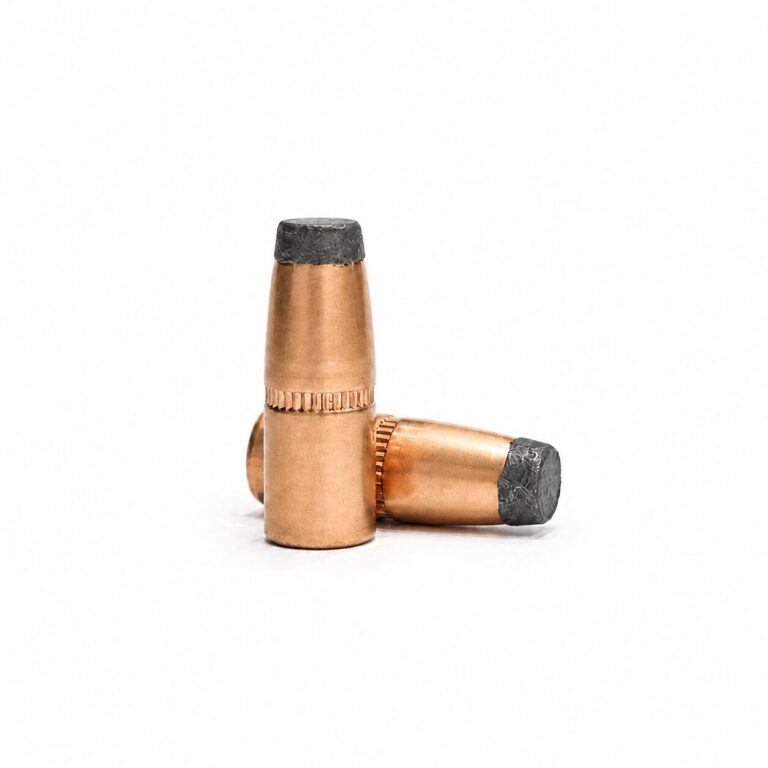
Gold Country Rhino

  • Wide flat-nose design
  • Controlled, reliable expansion
  • Optimized for consistent performance across typical .30-30 velocities

Best suited for:

  • dependable terminal performance
  • hunters prioritizing energy transfer and consistency

Gold Country Razorback

  • Serrated expansion profile
  • Designed for controlled expansion with deeper penetration

Best suited for:

  • heavier game
  • situations requiring additional penetration

The Takeaway Most People Miss

The .30-30 does not “underperform.”

It is simply:

Extremely sensitive to bullet design relative to velocity.

When matched correctly:

  • It is highly effective
  • predictable
  • and proven in the field

When mismatched:

  • performance becomes inconsistent
  • results become unreliable

Where to Go Next

If you’re trying to solve a specific problem, start here:

Each of those pages breaks down the issue in detail — and shows exactly how to correct it.

Final Word

The .30-30 has never been about raw numbers.

It has always been about:

  • balance
  • compatibility
  • and understanding the system it operates within

When you understand that system — and choose components designed for it — the results stop being unpredictable.

And start being repeatable.

That is where real performance comes from.