Gold Country Ammo
Hard-to-Find Ammunition and Bullets for Rifles and Handguns the Broad Catalogs Leave Behind
Gold Country Ammo makes and supplies ammunition and component bullets around specific rifles, handguns, cartridges and shooting problems.
We focus on ammunition and bullets that can be difficult to find, especially where the firearm, cartridge, bullet form or intended use deserves more explanation than a product grid can provide.
Our products are supported by the Compendiums, Technical Notes, Guides and field work we publish—not by a catalog claim that disappears at checkout.
Start with what brought you here
I need ammunition for a hard-to-find cartridge
Begin with the rifle and cartridge, then see the ammunition, bullet choices and maintained technical work that apply.
I need a flat-nose or cartridge-specific bullet
Use the cartridge work to understand diameter, weight, form and intended result before choosing a component bullet.
I want the technical answer before I buy
GCA’s Compendiums organize the subject. Technical Notes preserve focused evidence. Guides answer the question in the language the shooter actually uses.
I want to sell a firearm or collection
Start with the situation you have—one firearm, inherited firearms, an estate, a collection or uncertainty about the California process.
A current example
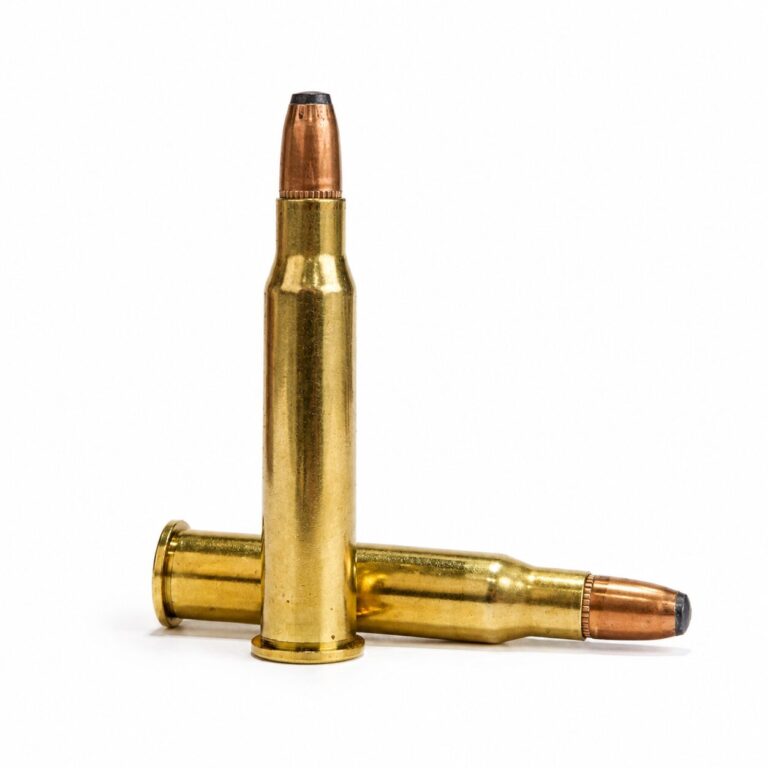
7-30 Waters: product, cartridge guide and answers that work together
Many pages say they sell 7-30 Waters ammunition or bullets. GCA connects the actual products to the cartridge guide, bullet-selection work and direct answers a shooter needs before ordering.
Available means available. GCA distinguishes in-stock, made-to-order and inquiry-only items before checkout.
Follow the product and the supporting work
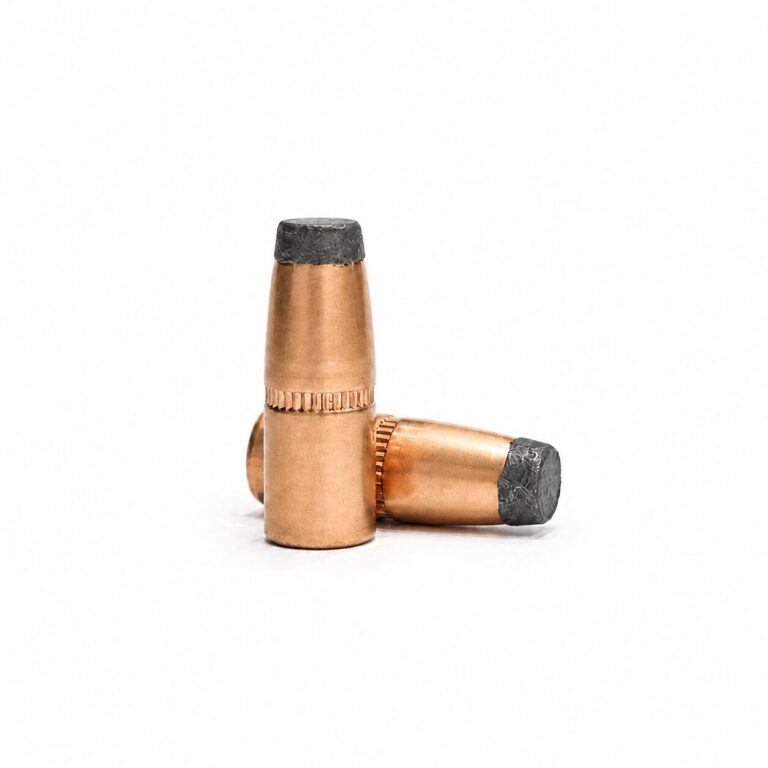
Actual GCA product photography. Follow the product page for the current item, specifications and availability.
Selling one firearm, inherited firearms or a collection?
Jackson’s Gold Country Ammo is a federally licensed firearms dealer and California CLEFFL. GCA purchases individual firearms and collections outright and considers related ammunition and accessories. Meetings are by appointment in Placerville or Cameron Park; some collection-location reviews may be arranged in advance.
Contact Gold Country Ammo
Call 1-800-228-8800.
Mailing address:
6040 Grizzly Flat Rd. #449
Somerset, CA 95684