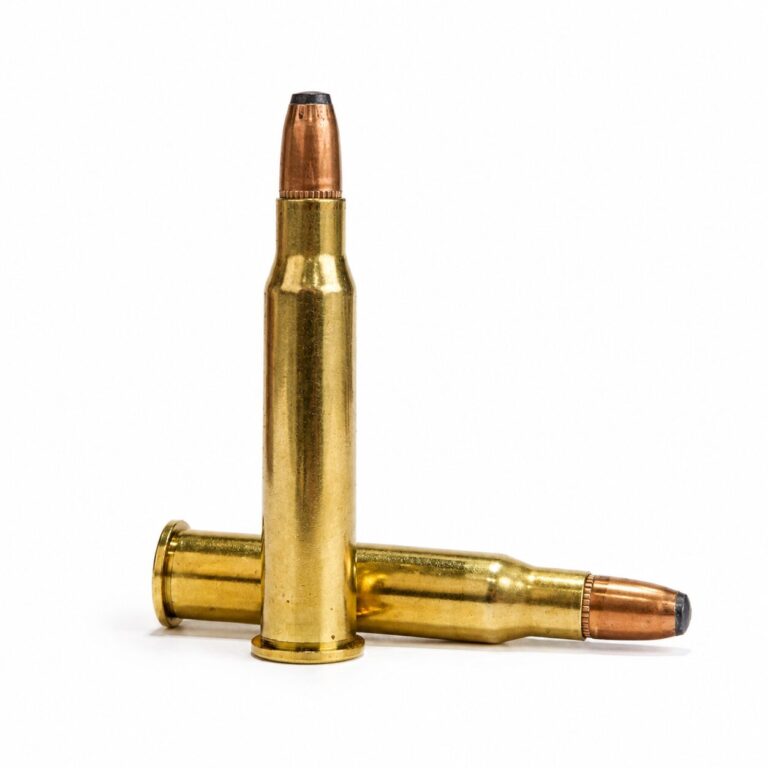
Why twist rate, rifling method, length, and throat design matter more than brand — and how the 6.5 Creedmoor stays forgiving across them.
Twist Rates & Stability
The dominant twist rate for the 6.5 Creedmoor is 1:8 — and it became dominant for good reason. It provides reliable gyroscopic stability across the entire practical bullet spectrum without forcing shooters into extreme barrel lengths or velocity targets.
In practice:
- Light-for-caliber bullets remain stable without excessive yaw
- Heavy, high-BC bullets remain stable at realistic velocities
- Cold-weather and altitude sensitivity is reduced
Faster twists rarely improve accuracy and can increase sensitivity to bullet imbalance. Slower twists narrow the usable bullet envelope. The Creedmoor thrives because the common twist rate lands in the center of the stability window, not at its edge.
Rifling Methods: Cut vs Button
Modern Creedmoor barrels succeed across multiple rifling methods because the cartridge does not demand extreme pressure or velocity to perform.
Button-Rifled Barrels
Button rifling is common in factory barrels due to speed and consistency. When executed well, buttoned barrels often deliver excellent accuracy and smooth fouling characteristics.
Potential tradeoffs include residual stress and sensitivity to aggressive contouring — but the Creedmoor’s moderate pressure behavior reduces the impact of these issues.
Cut-Rifled Barrels
Cut rifling allows precise control over groove geometry and stress relief. These barrels are favored in high-end precision builds and long strings of fire.
While cut barrels do not automatically outshoot buttoned barrels, they tend to maintain consistency longer as round counts rise — particularly in competitive or high-volume environments.
Barrel Length & Velocity Efficiency
The 6.5 Creedmoor is notably efficient across a wide range of barrel lengths. Unlike overbore cartridges that demand length to realize performance, the Creedmoor reaches useful velocity early.
General real-world patterns:
- Most meaningful velocity gains occur between 18″ and ~22″
- 22″–24″ offers incremental gains with diminishing returns
- Beyond 24″, length adds weight and whip faster than usable velocity
This efficiency explains why compact rifles can still deliver excellent downrange performance and why longer barrels rarely transform the Creedmoor into something it is not.
Throat Design & Barrel Life
Throat geometry — not just powder choice — largely determines barrel life. The Creedmoor benefits from a design that avoids extreme flame cutting and early throat erosion.
Key contributors to barrel longevity:
- Moderate powder column length
- Gradual pressure rise
- Bullet seating that avoids excessive jump or jam
In real use, Creedmoor barrels often deliver predictable accuracy well past round counts that would challenge hotter cartridges. Barrel life is not infinite, but it is manageable — especially when realistic firing schedules are respected.
Harmonics, Contour & Consistency
Barrel contour influences how harmonics behave under firing and environmental change. Heavier contours reduce amplitude and shift, while lighter contours trade stability for portability.
The Creedmoor’s forgiving pressure behavior allows:
- Lighter barrels to remain usable without erratic accuracy
- Medium contours to balance weight and consistency
- Heavy barrels to maximize repeatability in competition
The cartridge does not force shooters into one contour class — which is why it appears in lightweight hunting rifles and heavy PRS rigs alike.
Optimal Barrel Choices by Use
There is no single “best” Creedmoor barrel — only better alignment with intent.
- Hunting: 20″–22″, medium-light contour, 1:8 twist
- General precision: 22″–24″, medium contour, 1:8 twist
- PRS / competition: 24″, heavy contour, cut rifled
- AR-10 platforms: gas-length-matched barrels prioritizing timing over raw velocity
Barrel science is not about chasing extremes — it is about selecting components that stay inside stable operating windows.
Technical Scope — Chapter 4
Primary Focus: How barrel design choices affect accuracy, stability, efficiency, and longevity in the 6.5 Creedmoor rifle platform.
Covers:
- Twist rates and gyroscopic stability
- Rifling methods and stress behavior
- Barrel length efficiency and velocity gain
- Throat geometry and barrel life
- Contour, harmonics, and consistency tradeoffs
Supported By:
- TN-05 — Stability Models & Twist Rate Behavior
- TN-07 — Barrel Length, Velocity & Diminishing Returns
Related Chapters:
- Chapter 2 — Why the 6.5 Creedmoor Works in a Rifle
- Chapter 6 — Recoil Characteristics & Shooter Interface
- Chapter 9 — Common Failure Points & Diagnostics

WARNING: