THE 6.5 CREEDMOOR CARTRIDGE MASTER COMPENDIUM » TN-11 — Factory Ammo Consistency Studies (6.5 Creedmoor)

TN-11 — Factory Ammo Consistency Studies (6.5 Creedmoor)

Extreme spread, standard deviation, and lot-to-lot behavior in real 6.5 Creedmoor rifles — using only public, repeatable data and methods.

I. What This Technical Note Covers

This Technical Note defines how to think about factory ammunition consistency in 6.5 Creedmoor — not as marketing claims, but as measurable, repeatable behaviors on the chronograph and on target. It focuses on:

  • Extreme spread (ES) and standard deviation (SD) across real shot strings
  • Lot-to-lot velocity shifts between factory runs
  • How brass, primer, and powder behavior show up as “metadata” in your notes
  • Practical thresholds for match vs. hunting vs. training use

Every conclusion assumes publicly reproducible chronograph work and cross-reference with other 6.5 Creedmoor Technical Notes — especially case geometry, pressure curves, and barrel length.

II. Extreme Spread & Standard Deviation (ES/SD)

Factory 6.5 Creedmoor earned its reputation because many loads delivered “handload-like” ES/SD in ordinary rifles. ES and SD are not abstract math; they directly control vertical dispersion at distance.

Definitions:

  • Extreme Spread (ES): Highest minus lowest recorded velocity in a shot string.
  • Standard Deviation (SD): Statistical measure of how tightly clustered velocities are around the mean.

Typical patterns observed with quality factory Creedmoor ammo:

  • 10-shot strings: SD in the low teens is common; high single digits are excellent but not required for practical precision.
  • 20-shot strings: SD often creeps slightly higher but remains very manageable for 600–1,000 yd work.
  • Vertical dispersion: Low SD translates to smaller vertical groups at distance when fundamentals are clean.

Practical thresholds:

  • Match work to 1,000 yd: SD ≤ 15 fps is generally sufficient when paired with high-BC bullets.
  • General hunting: SD ≤ 20 fps is more than adequate inside typical game distances.
  • Training ammo: Higher SD is acceptable if dope is confirmed at the ranges you actually shoot.

III. Lot-to-Lot Variance & Why It Matters

Even the best factory ammunition is manufactured in lots. Powder lots, primers, brass batches, and small process changes all contribute to measurable velocity shifts between boxes purchased months or years apart.

Typical lot behaviors seen in Creedmoor:

  • Average velocity shifts: ~20–40 fps between lots is common and not a sign of “bad” ammo.
  • ES/SD consistency: A new lot may keep similar SD while changing the mean velocity.
  • Point of impact shift: Small velocity changes can move impacts several inches at 800–1,000 yd if dope is not updated.

Best practices for shooters:

  • Record lot numbers whenever possible on the ammo box and in your log.
  • When changing lots, fire a 5–10 shot confirmation string over a chronograph.
  • Update ballistic solvers with the new average velocity, even if the ES/SD feel similar.
  • Confirm at least one real distance (e.g., 600 or 800 yd) before a match or hunt.

6.5 Creedmoor’s reputation for “plug-and-play” performance is preserved when shooters treat lot changes as maintenance events, not surprises.

IV. Brass & Component Metadata (What to Track)

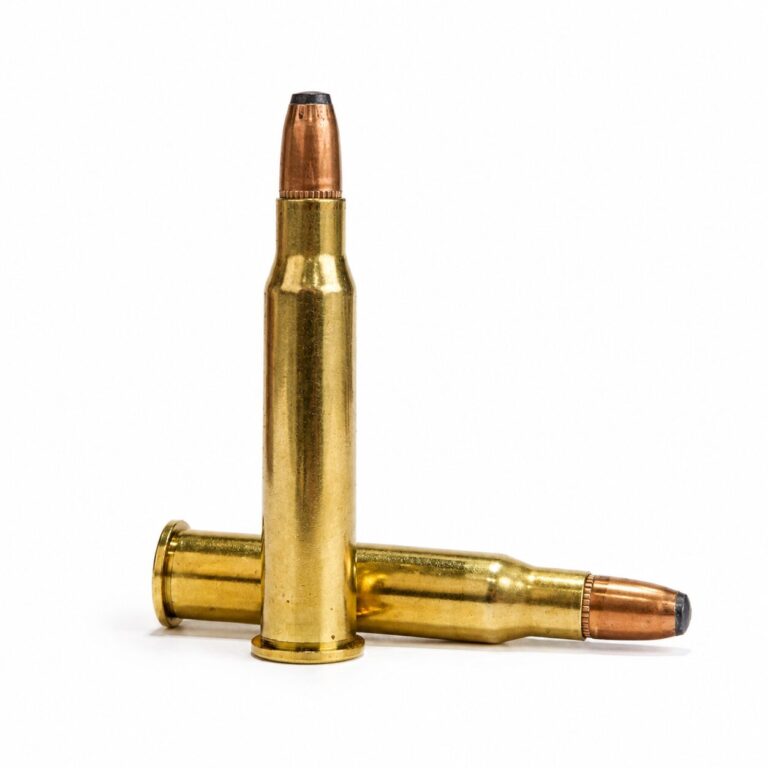
Factory ammo comes as a sealed system, but each component still leaves clues. Capturing “brass metadata” in your notes makes later diagnosis — or a switch to handloads — far easier.

Useful metadata to log:

  • Brass headstamp: Manufacturer and any visible design changes over time.
  • Primer appearance: Flatting, cratering, ejector marks (signs of pressure behavior).
  • Case growth: How quickly brass approaches trim length (a proxy for pressure and chamber fit).
  • Extractor / ejector marks: Show how the rifle’s mechanical system responds to the chosen load.

Why it matters:

  • Changing brass construction between lots can alter pressure behavior even if velocity looks similar.
  • Primer appearance and case head growth patterns help differentiate between rifle issues and ammo issues.
  • Detailed notes allow you to reverse-engineer a successful lot into a future handload recipe using only public data.

V. How Many Shots Are “Enough” for a Real Study?

Short strings are useful for quick checks; serious conclusions require more data. In 6.5 Creedmoor, practical study patterns look like this:

  • Quick validation: 10-shot string to confirm ES/SD and rough average velocity for a new lot.
  • Match prep: 20–30 total rounds over multiple short strings, ideally across different barrel temperatures.
  • Longitudinal tracking: Keep notes over multiple range days to see how ES/SD behaves as the barrel ages (see TN-06).

The goal is not a lab-grade study — it is reliable, repeatable field dope that survives real conditions.

VI. Practical Conclusions for Creedmoor Shooters

  • 6.5 Creedmoor factory ammo often delivers SD in the low teens, which is match-capable in most rifles.
  • Lot-to-lot velocity shifts are normal; treat them as routine updates, not failures.
  • Detailed brass and primer observations turn a simple chronograph session into long-term reference data.
  • When in doubt, verify at the ranges you actually shoot — ideally one mid-range and one long-range confirmation.

VII. Internal Cross-Reference Map

Specifications

  • Compendium: 6.5 Creedmoor Cartridge Master Compendium
  • Technical Note: TN-11 — Factory Ammo Consistency Studies
  • Focus: Extreme spread, standard deviation, and lot-to-lot behavior in factory 6.5 Creedmoor ammunition
  • Applies To: All 6.5 Creedmoor rifles using commercial match or hunting loads
  • Key Anchors: #tn-es-sd, #tn-lot-variance, #tn-brass-metadata
  • Intended Use: Receipts-mode backing for any claims about Creedmoor factory ammo consistency in chapters, TNs, and product pages