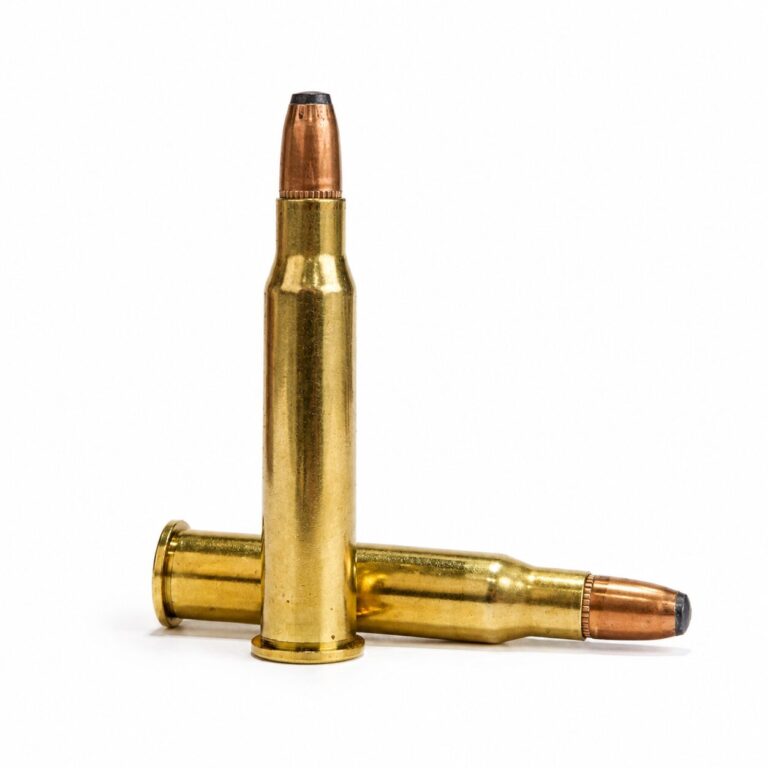
The 6.5 Creedmoor cartridge changed how shooters think about long-range accuracy
This companion series focuses on the rifles themselves — actions, barrels, stocks, triggers, and real-world configurations that make the most of the Creedmoor’s potential from 100 to 1,000 yards. If you want to understand not just “what to buy” but why certain 6.5 Creedmoor rifles shoot better than others, you’re in the right place.
Why a Separate Compendium for the 6.5 Creedmoor Rifle?
Most discussions of 6.5 Creedmoor stop at ballistics charts and factory ammo claims. But the cartridge is only half the story. The other half is the rifle: action geometry, barrel length and contour, stock design, trigger quality, optics mounting, and how all those decisions show up on paper at 100, 600, or 1,000 yards.
This Compendium focuses on the rifles built around 6.5 Creedmoor — from light hunting rigs to heavy match guns. We catalog what actually matters in the field and on the range, and we separate marketing claims from repeatable, real-world performance.
What This Rifle Compendium Covers
The 6.5 Creedmoor Rifle Master Compendium is organized as a series of chapters you can read in order or dip into as needed. Throughout, we blend receipts-backed technical notes with plain-language translation and pattern recognition — what experienced shooters keep discovering about this cartridge and platform.
1. Action Types and Platforms
We start with the core platforms that carry the Creedmoor: short-action bolt rifles, semi-custom chassis guns, and selected semi-auto builds. We look at how bolt lift, lock time, lug geometry, and magazine design affect consistency, reliability, and how forgiving a rifle is under field conditions.
2. Barrel Length, Contour, and Twist
Creedmoor rifles live in a narrow band where barrel decisions matter more than many shooters realize. We explain why common lengths such as 20", 22", and 24" behave differently, how contour and stiffness show up in group size and heat management, and why 1:8" twist became the practical standard for modern 6.5mm match bullets.
3. Stocks, Chassis, and Ergonomics
The same cartridge can feel like two different rifles depending on the stock or chassis wrapped around it. We document traditional hunting stocks, vertical-grip precision stocks, and modular chassis systems, with attention to recoil management, prone and positional shooting, and how easily a rifle can be made to “fit” different shooters.
4. Triggers, Optics, and Support Gear
A Creedmoor rifle is a system. Factory triggers, aftermarket drop-ins, scope mounting geometry, bipods, rear supports, and even sling setup all determine how much of the cartridge’s potential you actually see on target. We cover practical trigger weights, zeroing practices, and common optic choices for hunting, target, and mixed-use rifles.
5. Real-World Configurations
Rather than promoting a single brand or build recipe, this Compendium catalogs patterns: lightweight hunting rifles that still track true past 400 yards, midweight “crossover” rifles that carry easily but stay stable prone, and dedicated match or training rifles built to live on steel at distance. Each pattern will be backed by real examples and test data where possible.
How This Series Connects to the Cartridge Compendium
The 6.5 Creedmoor Cartridge Master Compendium focuses on internal ballistics, case design, pressure standards, and bullet behavior. This Rifle Compendium assumes that foundation and applies it to steel and wood: what barrel and chamber dimensions make sense for the cartridge, how throat geometry interacts with modern long-ogive bullets, and where the practical limits are for hunting versus match applications.
When you see a concept that touches both sides — cartridge and rifle — we’ll reference the matching chapter so you can jump back and forth as needed.
Who This Rifle Compendium Is For
- Hunters moving from older cartridges into 6.5 Creedmoor and wanting an honest rifle choice.
- New long-range shooters who want to skip the hype cycle and focus on fundamentals that carry over to other cartridges.
- Experienced reloaders who already understand Creedmoor ballistics but want clearer guidance on rifle setup and configuration.
- Builders, smiths, and serious hobbyists who want a structured reference they can point customers to.
What Comes Next
From here, the series breaks out into focused chapters: factory vs custom platforms, barrel-length comparisons, hunting versus match configurations, suppressed versus unsuppressed setups, and notes on specific rifle lines that have earned a reputation for shooting the Creedmoor well.
As with all Gold Country references, this Compendium will grow over time — guided by receipts-mode research, real shooter data, and the patterns that keep showing up on paper when the wind is moving and the shots are not staged.
TABLE OF CONTENTS 6.5 Creedmoor Rifle
TABLE OF CONTENTS — 6.5 Creedmoor Cartridge
THE 6.5 CREEDMOOR CARTRIDGE MASTER COMPENDIUM
Specifications
- Platform: 6.5 Creedmoor bolt-action and semi-auto rifles
- Primary Use: precision target, practical long-range, and medium-game hunting
- Typical Barrel Lengths: 20"–24"
- Common Twist Rate: 1:8" (optimized for modern 6.5mm high-BC bullets)
- Typical Weight Range: ~6.5–11 lb (bare rifle, depending on configuration)
- Action Types: short-action bolt, precision chassis, selected semi-auto platforms
- Companion Reference: 6.5 Creedmoor Cartridge Master Compendium

WARNING: