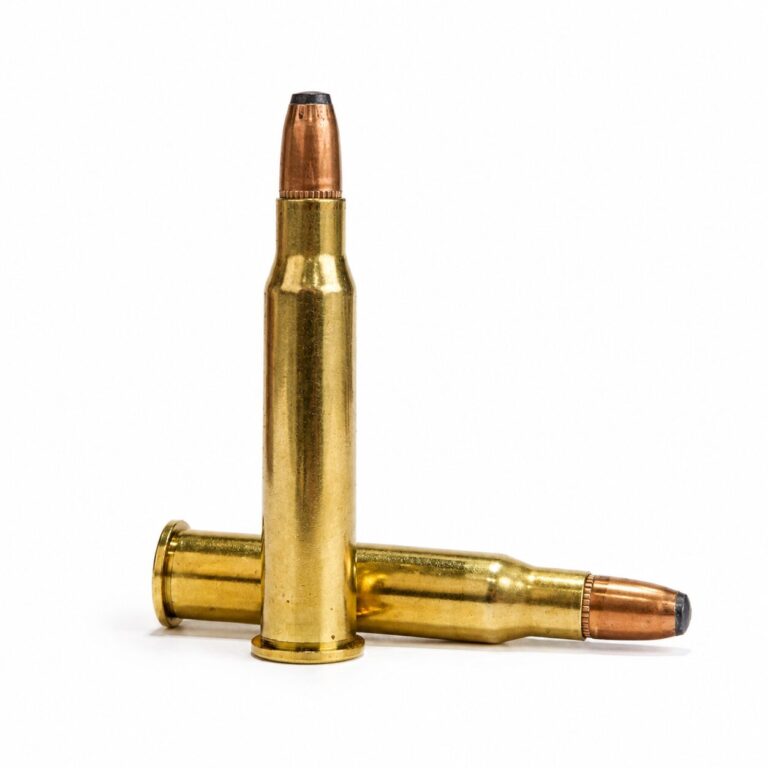
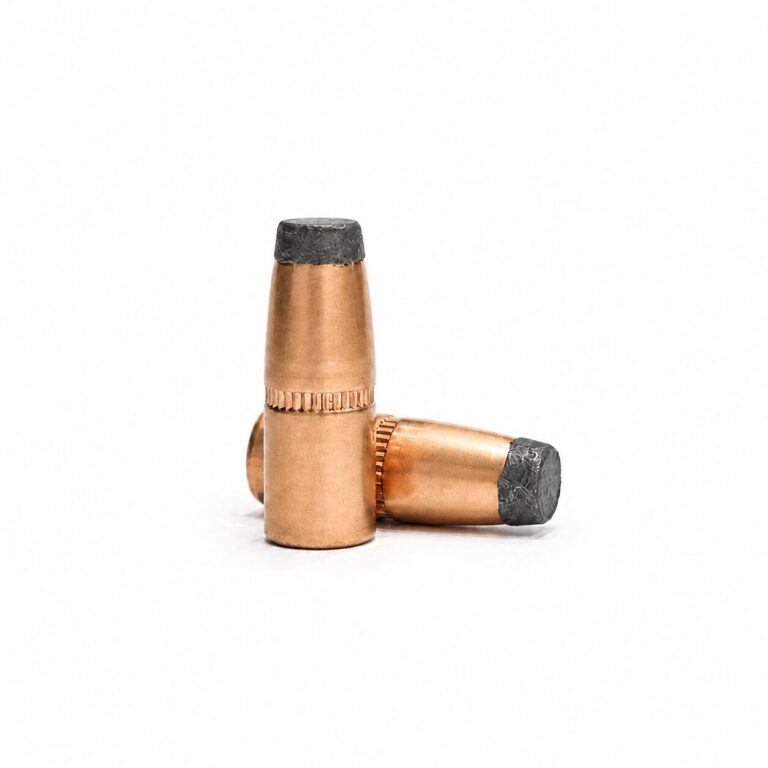
One Cartridge. Two Companions. The 1894 Lever Platform.
There’s a reason the 1894 pattern rifle never really left the American landscape. A good 1894 isn’t just a tool – it’s a trail companion, a truck gun, a woods rifle, and a living connection between modern shooters and the lever guns that came before us.
This page is your starting point for understanding the 1894 platform in all its forms: classic Marlin 1894s, stainless brush carbines, modern Ruger-built guns, and other pistol-caliber lever rifles that follow the same spirit.
What Is an 1894-Style Rifle?
In simple terms, an 1894-style rifle is a pistol-caliber lever-action carbine. Most are chambered in cartridges you already recognize from revolvers and defensive handguns: .44 Magnum, .357 Magnum / .38 Special, and sometimes .45 Colt. Instead of being built around long rifle cartridges like .30-30, these guns are tuned for fast cycling, compact handling, and hard-hitting performance inside typical woods and ranch distances.
Where a traditional .30-30 lever gun is often thought of as a 150–200 yard deer rifle, an 1894-style .44 or .357 lever comes into its own from 25 to about 125 yards, excelling in brush, timber, and tight terrain where quick handling matters more than magnification.
- Action: Lever-operated, tubular magazine-fed
- Typical calibers: .44 Magnum, .357 Magnum / .38 Special, .45 Colt
- Barrel lengths: Roughly 16″–20″
- Use cases: Woods hunting, ranch & truck gun, trail defense, steel & cowboy-style shooting, general-purpose carbine
A Short History of the 1894 Pattern
The original Model 1894 concept was about speed, familiarity, and compatibility. Being able to carry one cartridge for both rifle and revolver wasn’t just convenient – it simplified life in the field. Over time, the 1894 pattern became the go-to for:
- Brush-country deer and hog hunters who wanted a fast-handling carbine.
- Ranchers and farmers who kept a lever gun behind the seat or by the door.
- Cowboy action and steel shooters who appreciate smooth cycling and quick follow-up shots.
- Enthusiasts and collectors who love the blend of nostalgia and modern utility.
Modern 1894s carry that same DNA, but benefit from improved metallurgy, CNC machining, better sights, and in many cases, threaded barrels, stainless finishes, and optics-ready setups. The heart of the design hasn’t changed: a lever-actuated, pistol-caliber carbine that feels alive in the hands.
Who Builds 1894-Style Rifles Today?
Several manufacturers have produced 1894-pattern or closely related pistol-caliber lever rifles. The most prominent in the modern market are:
Marlin / Ruger-built Marlin 1894
The Marlin 1894 is the rifle most shooters think of when they hear “pistol-caliber lever gun.” Classic blued-and-walnut carbines, stainless & laminate brush guns, and short-barreled trail rifles all live under the 1894 banner.
- Classic models: Blued steel, walnut stocks, 20″ barrels – traditional woods rifles.
- SBL / Stainless variants: Stainless barreled actions, gray laminate stocks, often shorter barrels and big-loop levers – built for harsh weather and heavy use.
- Ruger-era Marlins: Updated production under Ruger with tighter tolerances and modern QC, while preserving the feel of a proper 1894.
Other 1894-Class Lever Guns
While not always marked “1894” on the receiver, several rifles play in the same space:
- Compact pistol-caliber lever guns chambered in .357, .44, or .45 Colt.
- Short, stainless or coated carbines built as working “brush guns.”
- Lever-action rifles optimized for cowboy-action and steel competition.
On this page and throughout our compendium, we treat all of these as part of the 1894-class pistol-caliber lever platform – and we highlight the differences when they matter in the real world.
Why Choose an 1894 Over Other Platforms?
With AR-pattern rifles, modern bolt guns, and semi-auto carbines everywhere, it’s worth asking: why an 1894? The short answer: because it does certain jobs better than anything else.
1. Pistol-Caliber Performance From a Rifle-Length Barrel
A .44 Magnum or .357 Magnum out of a revolver is impressive. Out of a 16″–20″ rifle barrel, it’s transformed:
- Increased muzzle velocity compared to handgun-length barrels.
- Flatter trajectory inside typical woods ranges.
- Noticeably more energy on target for deer-sized game and hogs.
2. Fast Handling in Tight Terrain
In timber, brush, or thick cover, a light lever gun with a 16″–20″ barrel simply carries and mounts differently than a full-size bolt gun or AR. An 1894 can be:
- Carried one-handed at balance.
- Brought to the shoulder quickly from almost any position.
- Run instinctively on close, fast-moving game.
3. Simplicity, Reliability, and “Always-There” Factor
Many shooters treat an 1894 as the rifle that’s always there – in the truck, in the side-by-side, by the door at the ranch. Pistol-caliber ammo is familiar, easy to load, and often already on hand for revolvers or handguns.
4. Tradition and Connection
There’s also an intangible reason: an 1894 feels like a continuation of a story. For many shooters, a lever gun connects generations – the type of rifle a grandfather might have carried, now built with modern materials and optics options.
Caliber Choices in 1894-Class Rifles
The most common chamberings for 1894-style rifles are:
- .44 Magnum: A classic woods caliber, excellent for deer, hogs, and general-purpose brush hunting. Mild in a rifle, authoritative on game.
- .357 Magnum / .38 Special: Extremely versatile. Light .38s for plinking and training, full-power .357 loads for close-range deer and defensive roles.
- .45 Colt: A traditional big-bore option in some 1894-class rifles, especially attractive for those who already run .45 Colt revolvers.
Our Gold Country Ammo ballistic notes expand on how each of these calibers behaves in carbine-length barrels, including real-world velocity ranges, typical bullet weights, and use-case recommendations.
How This Page Fits Into the Gold Country 1894 Compendium
This page is the entry point to our full 1894 ecosystem. From here, you’ll eventually be able to:
- Read deep-dive compendium articles on the Marlin 1894 platform and other 1894-class rifles.
- Explore ballistic comparisons for .44 Mag, .357 Mag, and .45 Colt in rifle-length barrels.
- Consult Technical Notes on feed characteristics, twist rates, sight options, and optic setups.
- Browse curated 1894 rifles for sale, each with a full Gold Country Way listing – not just a SKU.
As we add rifles to our inventory, this master page will link directly to:
- Individual Marlin 1894 models (Classic, SBL, Trapper, and more).
- Other pistol-caliber lever guns that live in the same “1894-class” space.
- Supporting ballistic and technical articles hosted here on Gold Country Ammo.
View the Complete 1894 Compendium Table of Contents
Where to Go Next
If you’re just starting to explore the 1894 platform, we recommend:
- Read our model-specific entries for the rifles you’re interested in – for example: Marlin 1894 Classic in .44 Magnum or Marlin 1894 SBL in .44 Magnum.
- Compare calibers using our pistol-caliber-in-a-carbine ballistic notes.
- Check current 1894-class rifles in stock on Gold Country Ammo for both new and consignment options.
Over time, this page will become the central hub for anyone researching or shopping for an 1894-style rifle – whether you’re deciding on your first lever gun or adding another to a well-loved rack.

WARNING: